
Preview
Dragon Ball Xenoverse 3 Preview: Stop Living In The Past, Go Be The Future

Published Jun 25, 2026, 8:04 AM EDT
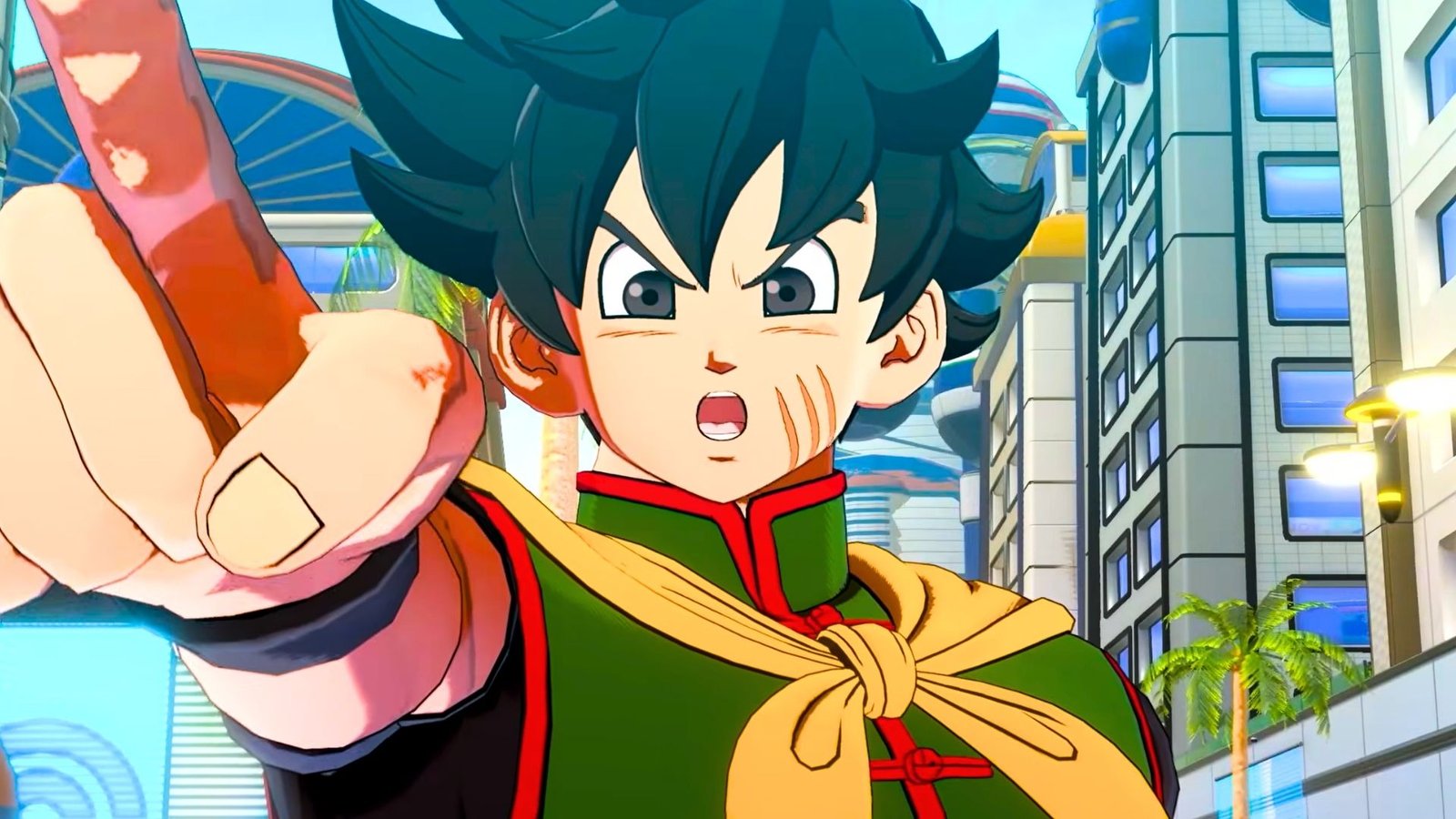
Dragon Ball Xenoverse 2 became the rare live-service-adjacent fighting RPG that simply refused to age out of relevance. Years of add-ons kept the community busy, but they also made the idea of a proper sequel feel increasingly distant. Dragon Ball Xenoverse 3 finally answers that wait by aiming the series away from another tour through Goku’s best-known battles and toward a future that belongs to the player.
The Summer Game Fest demo positioned Age 1000 as the clean break the series has needed. Instead of dropping your custom fighter into a museum of familiar scenes, the sequel asks what a Dragon Ball world looks like when the icons have stepped out of the spotlight and new protectors have to define themselves.
Street Fighter 6’s Year 4 Team Talks Tifa, New Fighters, And The Movie
More fighting game coverage on Koigen.
The pitch is easy to understand: create a fighter, enter a rebuilt West City, and grow into the kind of hero the new timeline needs. The more interesting part is that the demo kept pointing back to player identity as the sequel’s real hook. Your character is not there to stand next to a legend for a cameo. Your character is supposed to become the reason the story moves.
Two Races, One Demo, and a Lot Left Unsaid
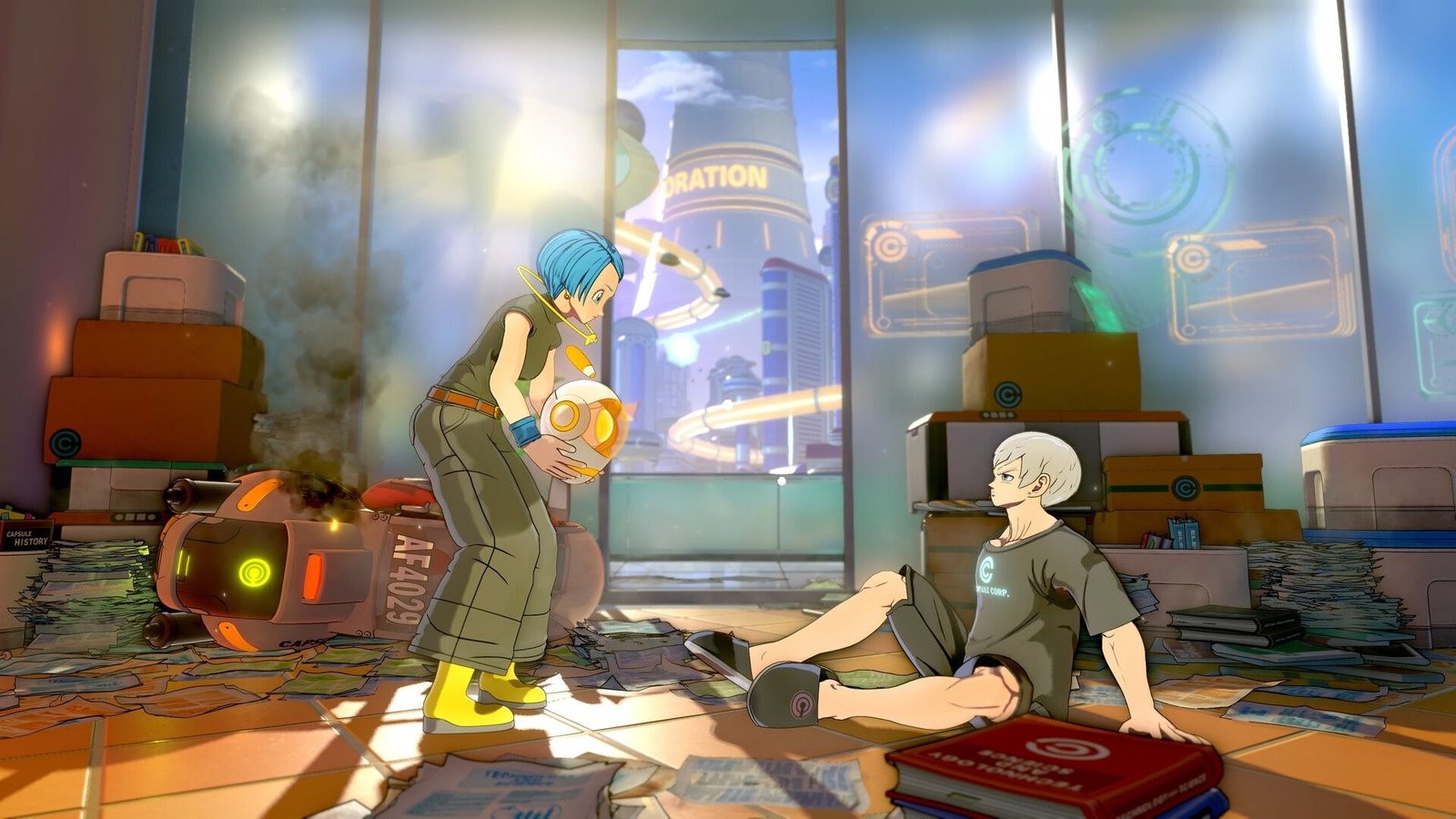
The presentation started where any Xenoverse sequel has to start: character creation. Only two preset heroes were shown in detail, an Earthling named Sen and a Saiyan named Age, but even that narrow slice made the intent clear. Race selection is not being treated as a costume filter. It affects visible stats, build direction, and the fantasy of what kind of combatant you are bringing into the future.
Bandai Namco is still holding back the full roster of playable races, so it is too early to judge balance or variety. What matters at this point is that the sequel appears to understand how much weight that first menu carries. Xenoverse works best when your custom hero feels like a real Dragon Ball character, not a guest wearing borrowed animations.
West City Has Grown up, and so Has the Hub
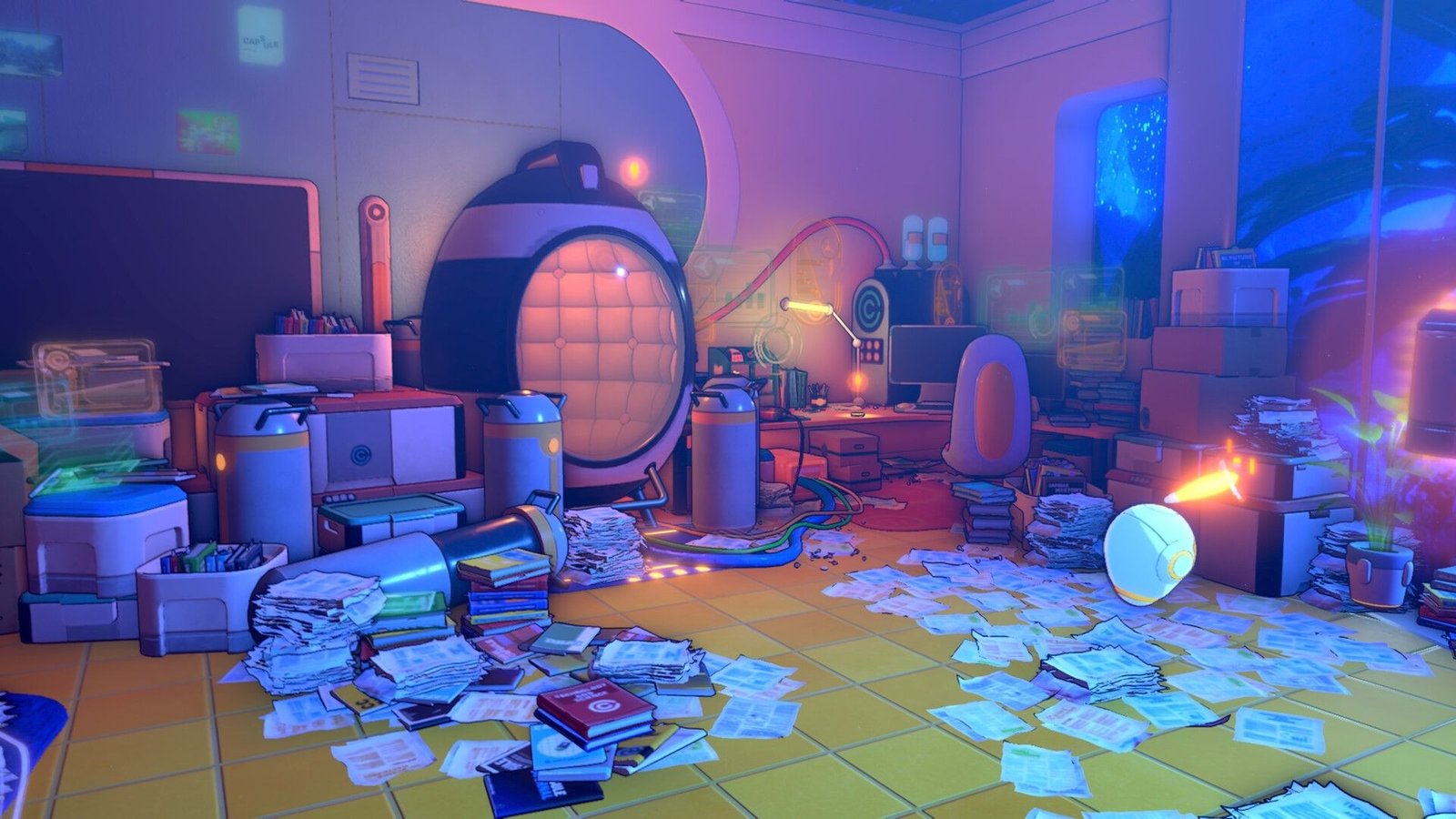
Your apartment is the first sign that the hub is no longer just a lobby with mission counters. It acts as a customization space and a home base, complete with a small domestic touch: you can clean and arrange it enough to make the room feel lived in. That may sound minor, but for a series built on original characters, having a place that belongs to them matters.
From there, the demo moved into West City, which looks more vertical, busier, and more deliberately staged than the hubs from the earlier games. Future Trunks appears outside your apartment complex, Gamma-1 handles early mission flow, and NPC placement seems designed to make quests feel like part of the city rather than pop-up menu errands.
The question is whether West City will stay interesting after the guided demo path ends. Bigger hubs can become prettier loading screens if there is nothing meaningful to discover. Still, the direction is promising. Xenoverse 3 seems to be trying to turn its social space into the emotional center of the experience, not just the hallway between fights.
Squad Combat Finally Gets a Reason to Exist
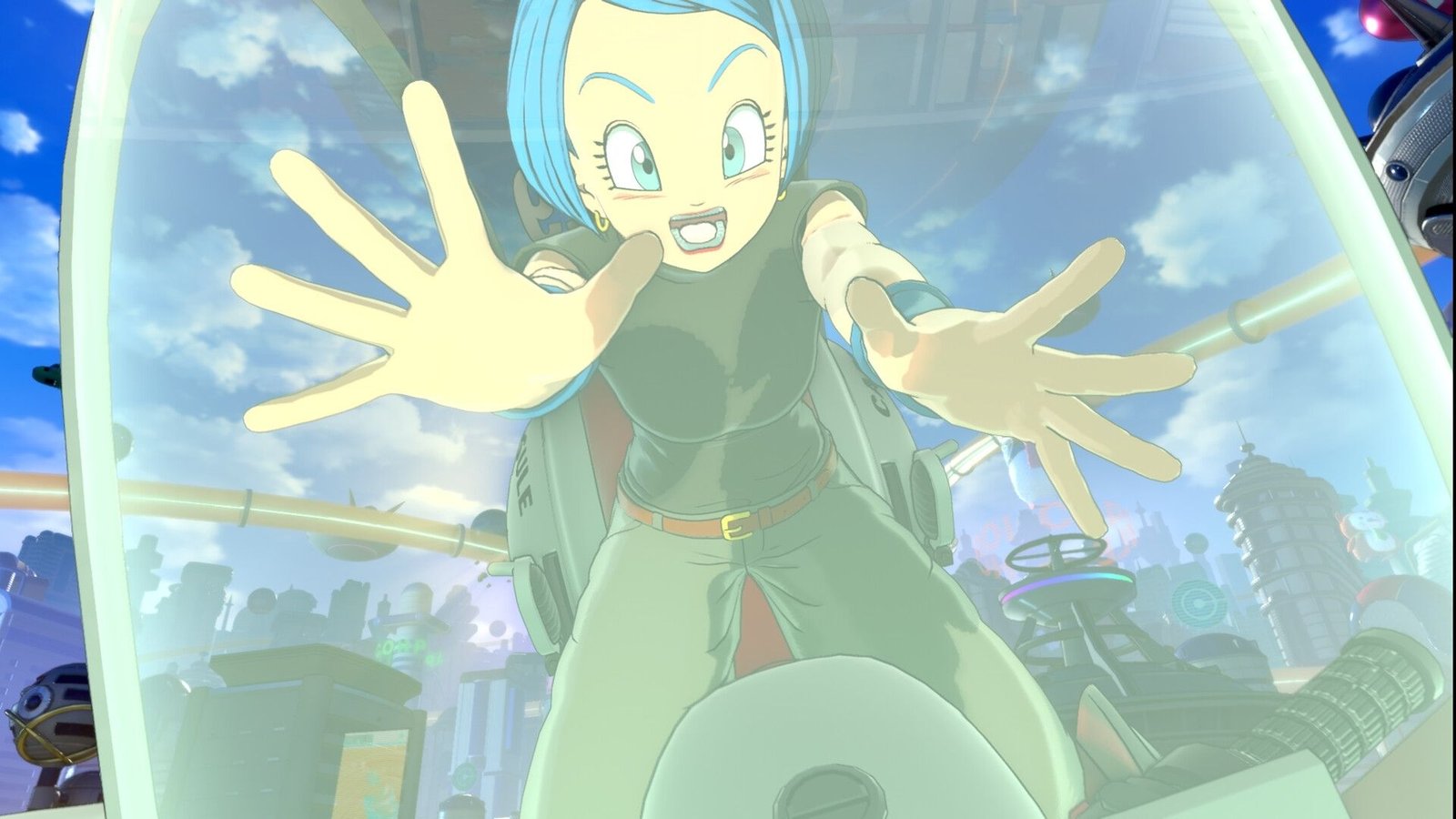
The mission structure still looks instantly recognizable: leave the hub, meet allies, and get pulled into a fight that escalates quickly. What has changed is how the sequel frames companions. The demo emphasized a squad setup that appears more intentional than the sometimes-chaotic ally presence in previous Xenoverse missions.
If that structure holds, team composition could finally become more than background noise. The original Xenoverse fantasy was always bigger than one-on-one arena brawling; Dragon Ball is full of desperate assists, surprise saves, and characters buying time for someone else to finish the job. A smarter squad system could give the sequel a reason to feel like a group adventure instead of another queue of isolated battles.
Soul Switch Is the Mechanic Doing the Most Work
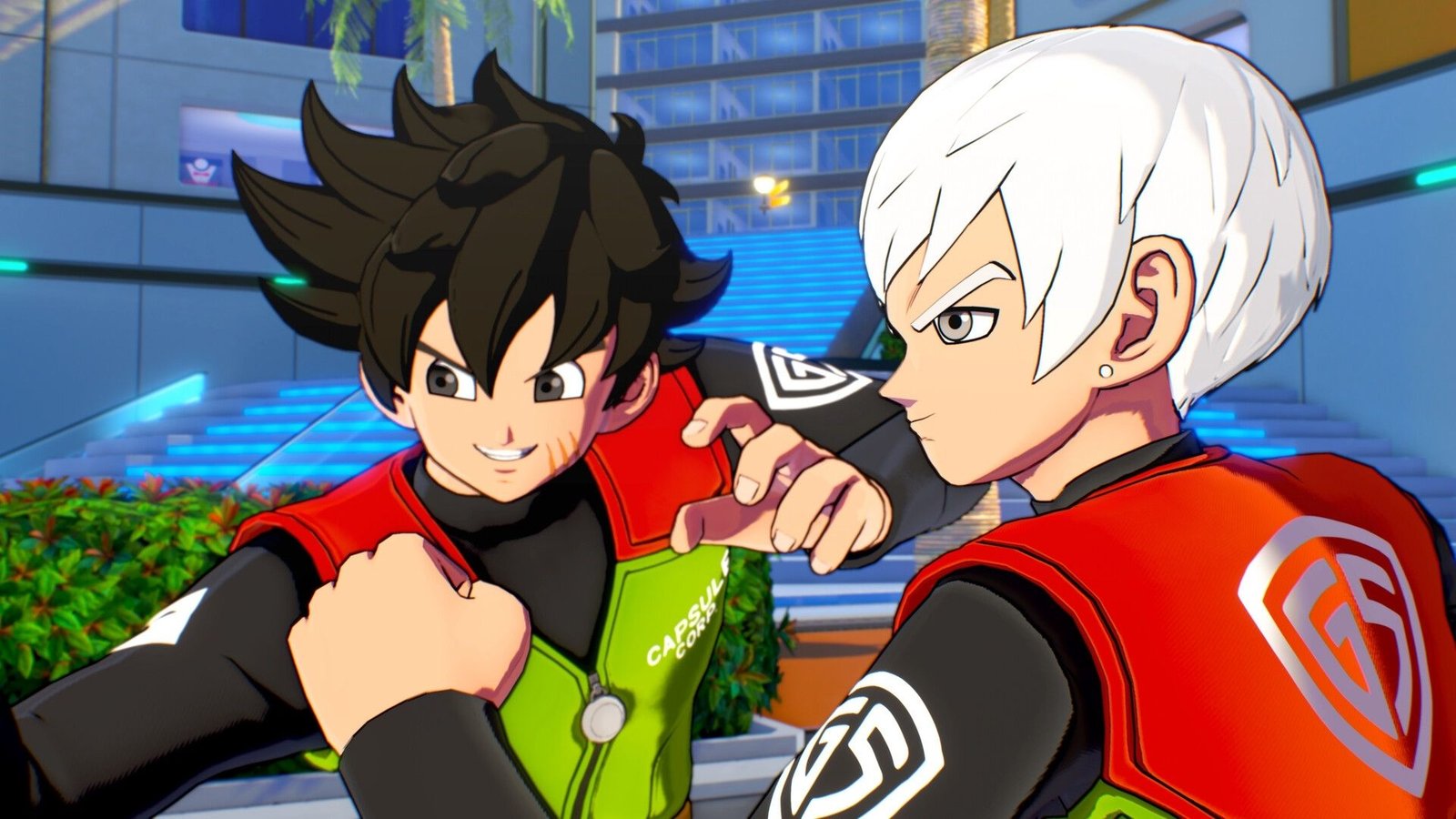
The most intriguing idea shown was Soul Switch, a mechanic built around temporarily stepping into another fighter’s power set. On paper, it is a clever answer to an old Xenoverse problem: players want their custom hero to stay central, but they also want access to the outrageous moves and personalities that make Dragon Ball battles sing.
Handled well, Soul Switch could let the sequel borrow the thrill of iconic characters without reducing the player avatar to a spectator. It also opens a clean path for encounter design, since fights can ask you to adapt to a temporary tool kit rather than spam the same customized rotation every time.
Combat Still Has That Familiar Dragon Ball Shape
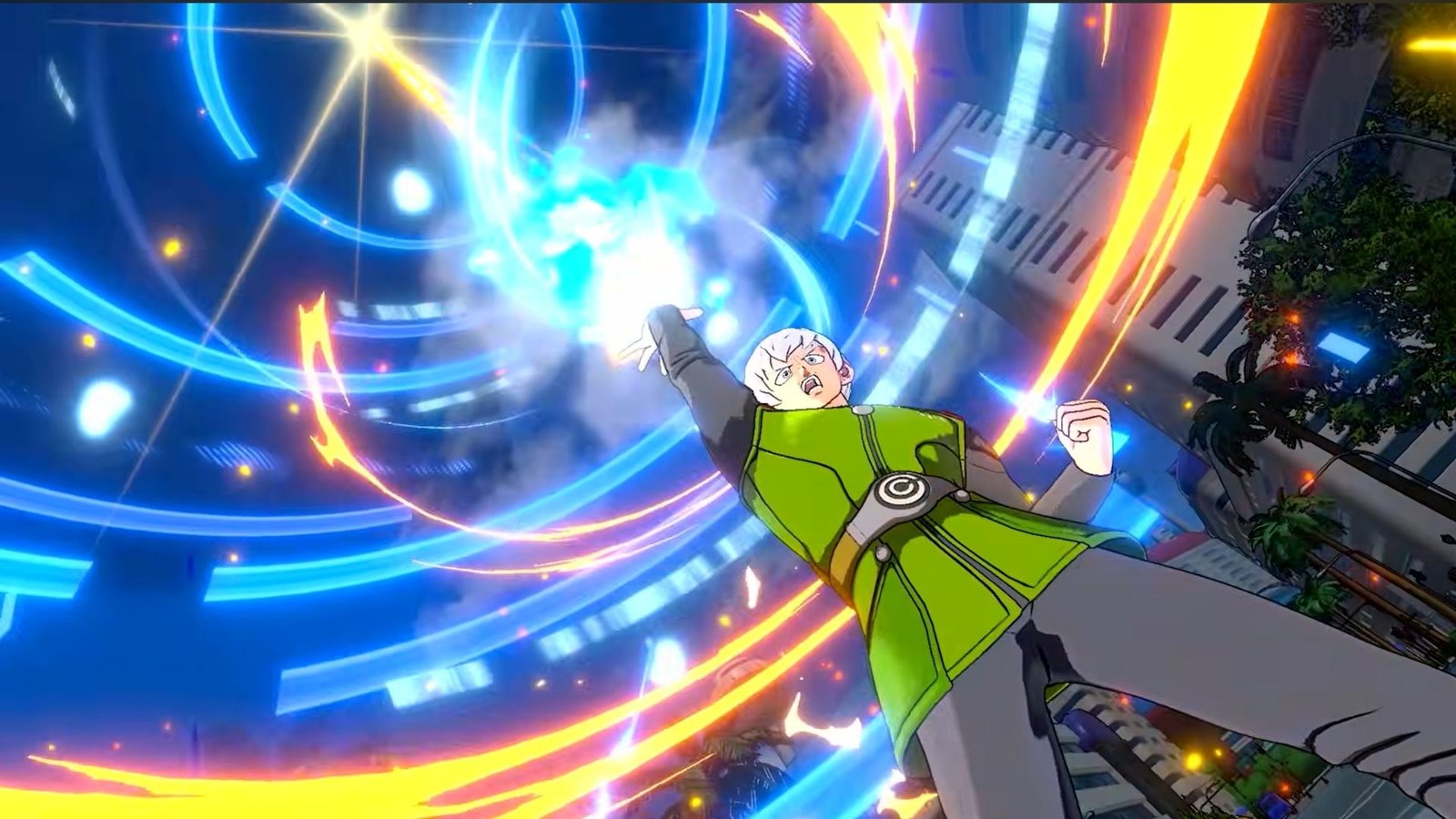
The actual combat presentation did not suggest a complete reinvention. It still has the fast dashes, beam pressure, aerial movement, and explosive readability that define Xenoverse. That familiarity is not a weakness by itself. The series has always lived in the space between RPG progression and flashy arena fighter, and fans do not necessarily need it to become something else.
What the sequel needs is sharper purpose. The demo hinted at better context around battles, more meaningful companion roles, and more flexible player expression. Those improvements may matter more than a new combo language if the result is a campaign that finally feels built around your hero’s growth.
Worth Watching, Not yet Worth Hyping
Dragon Ball Xenoverse 3 made a strong first impression because it seems aware of what the previous games could not keep repeating forever. Nostalgia can sell a reveal, but it cannot carry another decade of missions. Age 1000, West City, race-focused identity, squad combat, and Soul Switch all point toward a sequel trying to earn its number.
The caution is just as important. A controlled demo can make any hub feel alive and any new system feel essential. The real test will be variety, mission pacing, character progression, and whether the future setting has enough narrative confidence to stand without constantly retreating to the past.
For now, that is enough. Xenoverse 3 does not need to prove it is the final Dragon Ball game. It only needs to prove that a created hero can carry a Dragon Ball future. The demo suggested that Bandai Namco at least understands the assignment.
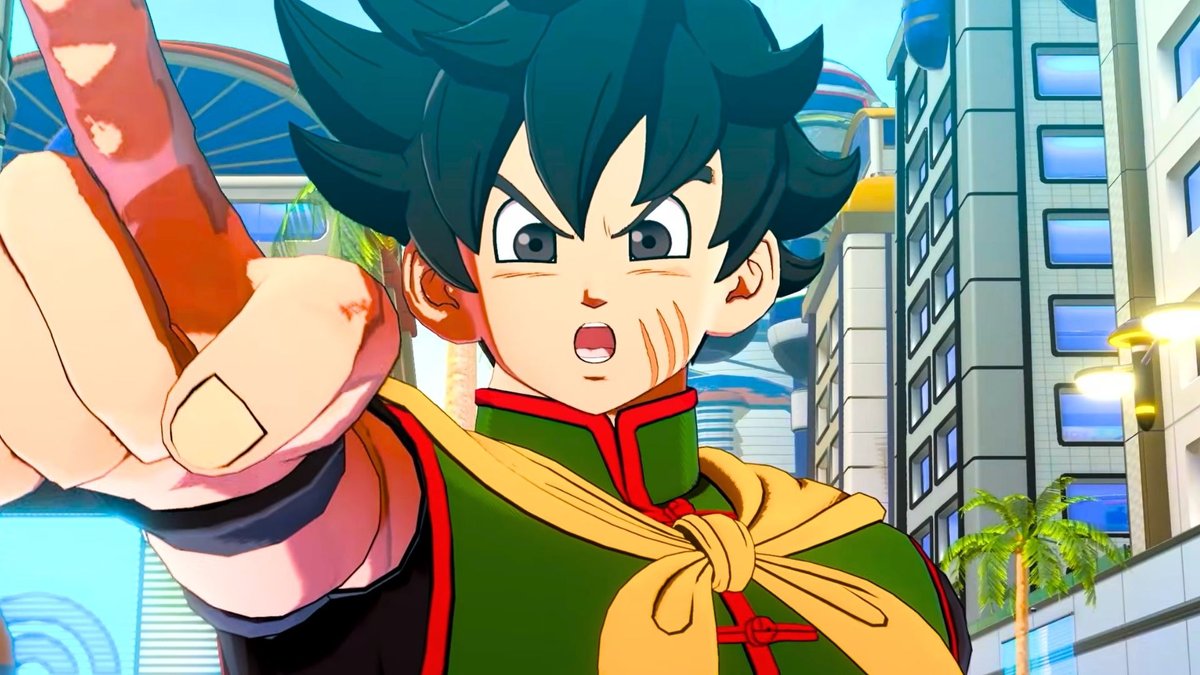
Dragon Ball Xenoverse 3
A future-set Dragon Ball action RPG sequel centered on custom heroes, West City, squad combat, and Soul Switch.
- Franchise
- Dragon Ball
- Genre
- Action RPG / Arena Fighting
- Publisher
- Bandai Namco Entertainment