
 Marvel Tōkon: Fighting Souls
Marvel Tōkon: Fighting Souls Preview — Arc’s 4v4 Fighter Is Pure Comic-Book Chaos
After a hands-on EVO 2026 demo, Marvel Tōkon: Fighting Souls looks like Arc System Works has thrown Marvel’s toy box into a lightning storm — in the best possible way.
Marvel Tōkon: Fighting Souls had one of the loudest booths at EVO 2026, and not just because fighting game fans have excellent indoor voices when a combo drops. Arc System Works’ upcoming 4v4 Marvel fighter was playable on the show floor, giving players a first real taste of how its hero-stacking chaos works outside a trailer.
The short version? It is quick, flashy, surprisingly readable for something that looks like a comic book panel learned parkour, and built around momentum swings that keep matches feeling alive. If you have ever wanted Ghost Rider to interrupt a brawl like a flaming chain-wielding HR complaint, this is very much your game.
The EVO demo was busy, loud, and very promising
Even on the quieter first day of EVO, the Marvel Tōkon demo line stayed healthy. Players were rotated through short 10-to-15-minute sessions, paired with opponents, and allowed to pick between a PS5 DualSense, leverless controller, or arcade-style stick. Translation: Arc knew exactly where it was, and it came prepared for every possible species of fighting game gremlin.
For a casual-friendly hands-on, the DualSense felt completely natural. Inputs came out cleanly, movement had snap, and the action did not feel buried under a pile of mysterious commands. That matters, because Marvel Tōkon is clearly trying to court both combo-lab goblins and people who just want Spider-Man to do something cool before dinner.

Fast, chaotic, exciting — but not a total soup tornado
Marvel Tōkon’s core combat is immediate. Attacks feel responsive, movement has bite, and the game wastes very little time getting to the fireworks factory. The button layout is not absurdly dense for a high-energy Arc System Works fighter, which gives the whole thing that classic “easy to learn, difficult to master” vibe. Yes, it is a cliché. Yes, it fits. Please do not throw a fight stick at us.
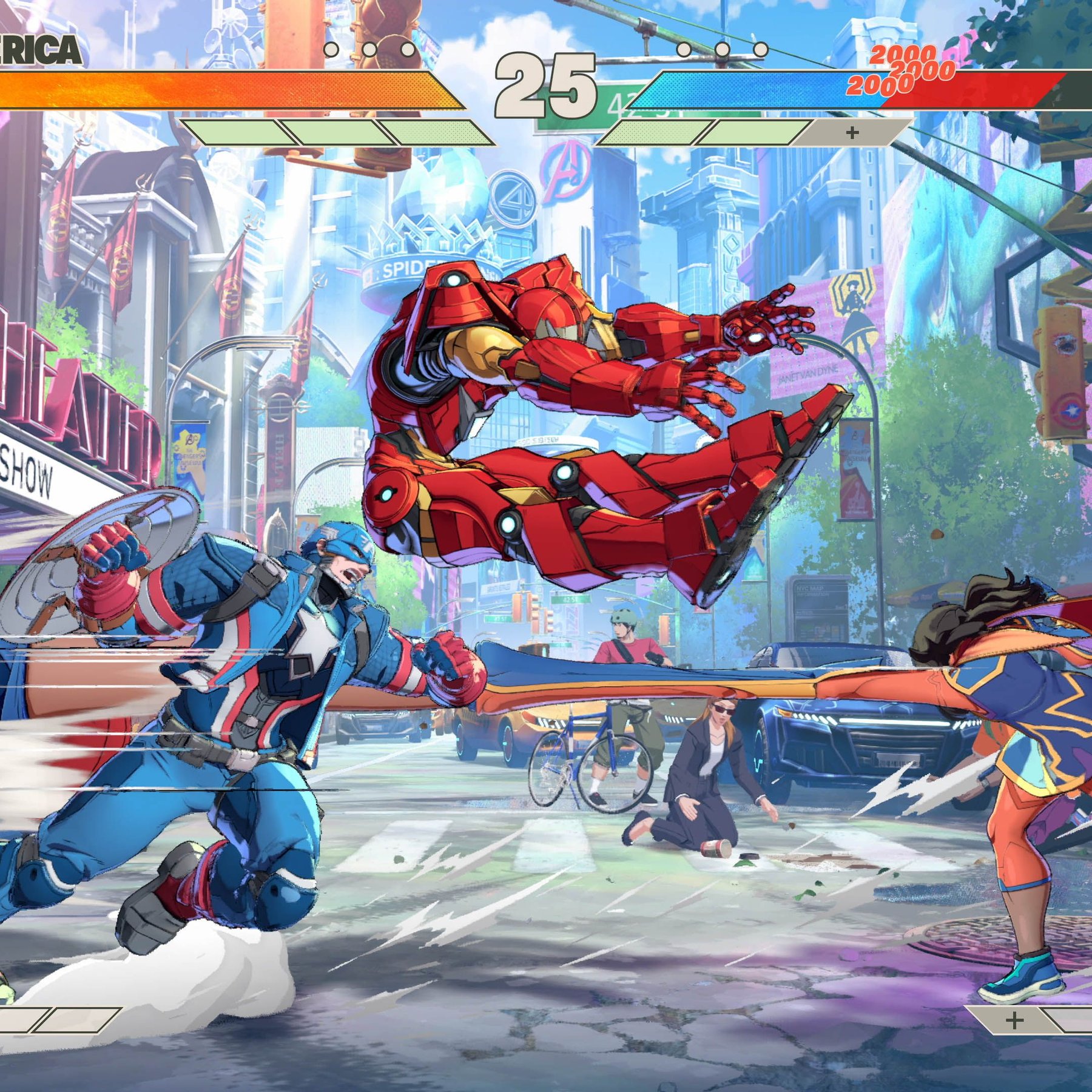
The headline mechanic is Assemble, Marvel Tōkon’s assist-style system that lets bench characters leap into the match frequently. These assists are not rare little party tricks. They are a major rhythm tool, constantly adding pressure, coverage, and superhero cameo energy. Matches can go from tidy footsies to “why is half the roster on screen?” in about one heartbeat.
That could have become visual oatmeal, but the demo held together better than expected. Arc’s animation work does a lot of heavy lifting here: characters pop, effects sell impact, and the game has that crunchy comic-book snap that makes even a loss feel expensive and stylish.

The 4v4 twist gives losing players a little extra spice
The most interesting part of Marvel Tōkon is how it handles its teams. You choose four fighters, but you do not begin with access to the whole squad. At the start, only two characters are available. Lose a round, and a third joins the bench. Get pushed to the edge, and all four finally become usable.
That means the losing player gets more tools as the match goes on, while the leader may suddenly be staring at a deeper enemy bench. On paper, that sounds like rubber-banding wearing a fake mustache. In practice, it felt more like a clever way to create comeback tension without simply handing someone a giant “oops, you win now” button.
It also makes team building more dramatic. Your first two picks need to function immediately, but your third and fourth slots can be comeback insurance, matchup answers, or pure “I like this character and refuse to apologize” energy. Ghost Rider felt especially friendly in the demo thanks to that mid-range chain whip, which is exactly the kind of tool that makes a casual player suddenly sit up straighter and pretend they had a plan.

Balance looks encouraging, even if everyone will blame Ghost Rider first
It is far too early to declare Marvel Tōkon balanced, broken, busted, blessed, cursed, or secretly three raccoons in a trench coat. Fighting games change a lot between demos, betas, launch patches, and the first week of players discovering something wildly illegal at 3 a.m.
Still, the demo suggested Arc is thinking carefully about match flow. The staggered team access gives players a reason to adapt as rounds continue, while Assemble assists keep pressure lively without making every exchange feel identical. Character strength will be debated approximately four seconds after the open beta goes live, because that is the sacred tradition, but nothing in this hands-on felt alarming.
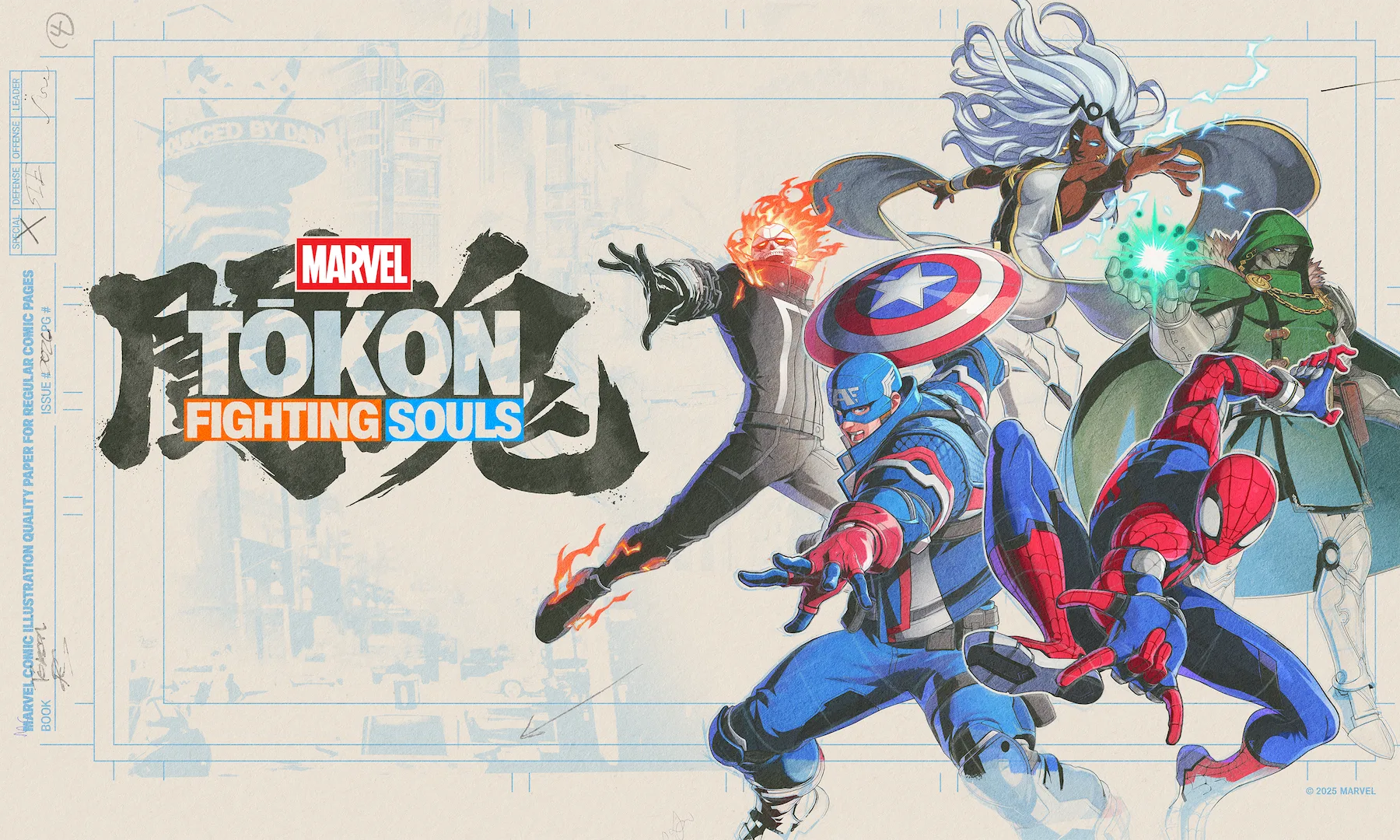
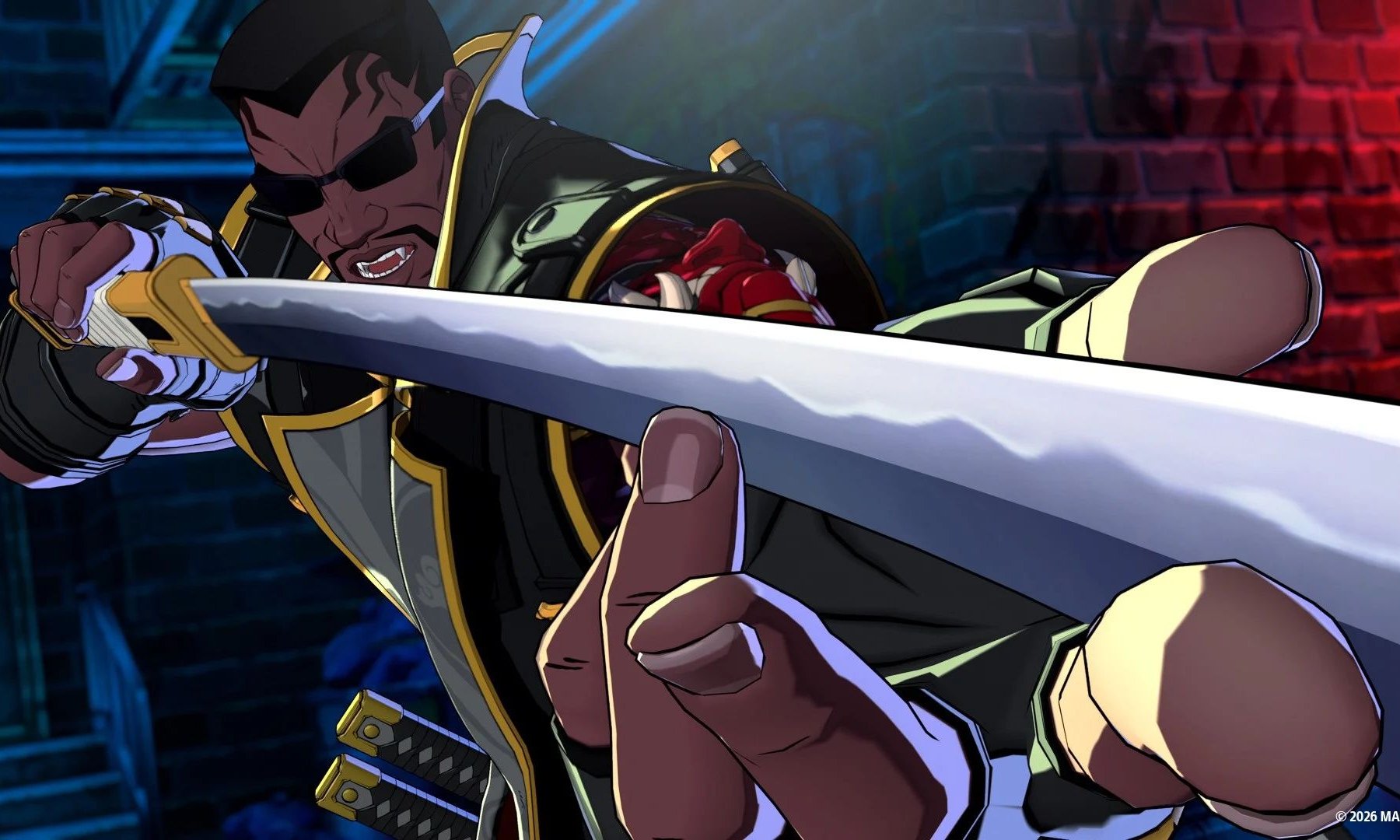
The presentation is already doing its job. The blueprint-style key art, bright city-stage chaos, and Blade’s dramatically enormous sword all scream “Arc made a Marvel fighter and gave it espresso.” Captain America, Iron Man, Ms. Marvel, Spider-Man, Storm, Doctor Doom, Ghost Rider, and Blade all look distinct at a glance, which is exactly what this kind of team-fighter fireworks show needs.
Open beta and release date details
Players who missed the EVO demo should not have to wait too long for another shot. Reports point to an open beta running from July 24–26, 2026, which should give a much wider crowd a chance to test the servers, pick early mains, and immediately argue about tier lists with the intensity of courtroom drama.
Marvel Tōkon: Fighting Souls is scheduled to launch on August 6, 2026, with a full launch roster built around teams of four. Based on this hands-on, Arc System Works appears to have a fighter that is friendly enough to invite curious Marvel fans in, but weird and layered enough to keep fighting game veterans happily dissecting it for months.
In other words: yes, Marvel Tōkon is one to watch. Bring a main, bring a backup main, bring two more backups, and maybe bring snacks. The bench is crowded.