
Exclusive Character Documentary
Wolverine Over Time: The Making of Marvel’s Most Haunted Survivor
From a feral mystery in the Canadian wilderness to a battle-worn mentor with adamantium scars, Logan’s story is less superhero résumé and more classified case file.
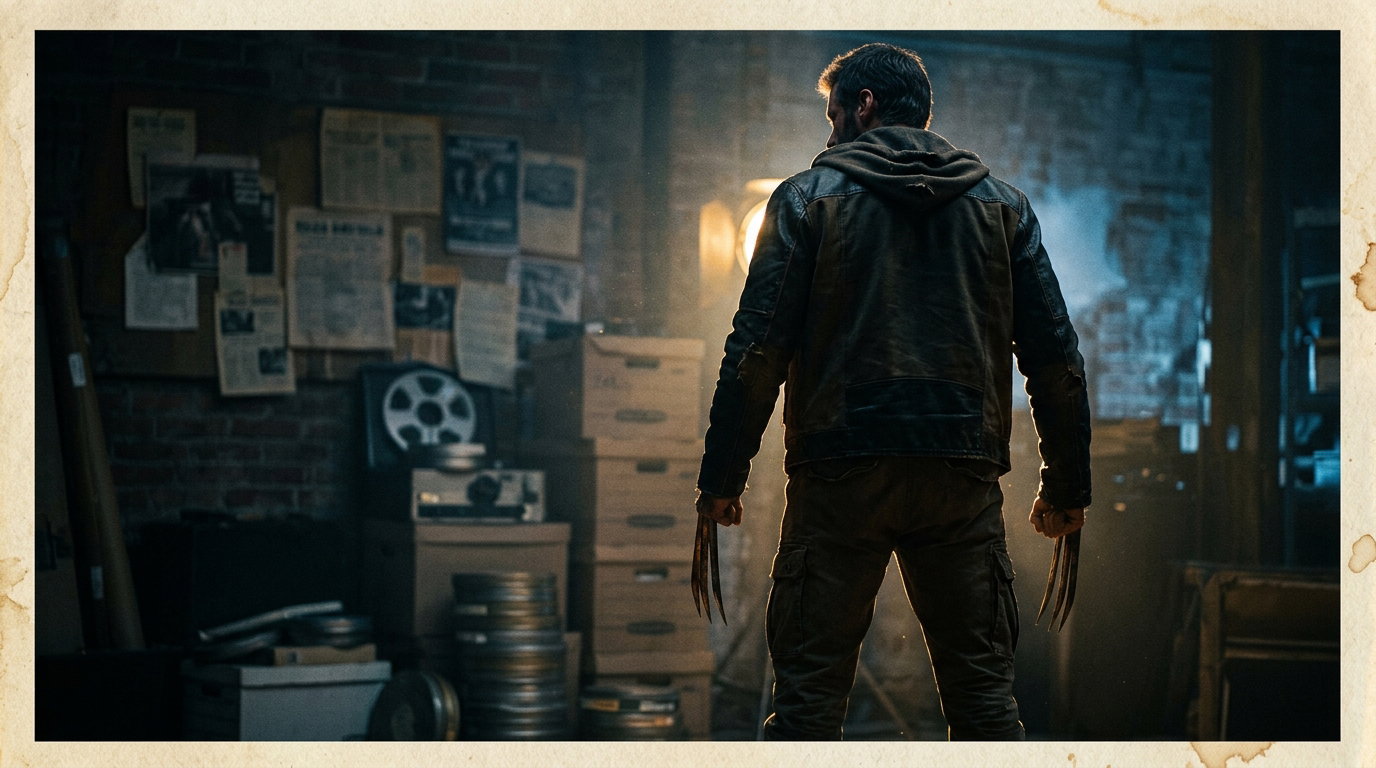
Wolverine is one of Marvel’s most recognizable characters, but Logan did not become iconic overnight. Over the decades, he evolved from a fierce and mysterious brawler into one of the deepest and most layered heroes in comic book history. His journey reflects not only the changing style of Marvel storytelling, but also the growing appetite for darker, more conflicted characters who carry their past like a weapon.
Secret Origins: First Contact in the Superhero Wilds
Wolverine first appeared in the 1970s as a rough, aggressive fighter with a bad temper and a mysterious past. In those early stories, he was defined by his claws, healing factor, and animal-like rage. He stood out immediately because he felt more dangerous than the typical superhero. He was not polished, noble, or easy to control, which made him feel unpredictable and exciting. Early tales even pitted him against the Hulk in the Canadian wilderness, framing him as a government operative with a past so redacted it sounded like rumor. Hints of the Weapon X program surfaced as whispers more than answers, and his sharp “whiskers” mask matched a personality that clashed with authority but followed a stubborn code of honor.
Becoming an X-Men Icon
As Wolverine became a core member of the X-Men, Marvel started expanding his personality. He was still violent and stubborn, but writers added discipline, loyalty, and emotional depth. His connection to Japan, his code of honor, and his inner battle between man and beast gave him a complexity that pushed him far beyond a simple tough-guy role. By the 1980s and 1990s, Wolverine had become one of Marvel’s biggest stars.

A Darker and Deeper Character
What made Wolverine last over time was his emotional weight. Stories began exploring his trauma, memory loss, guilt, and long lifespan. Instead of being just a fighter, he became a character haunted by his past. That gave Marvel room to tell stories about identity, pain, redemption, and survival. His healing factor made him nearly impossible to stop physically, but emotionally he remained vulnerable.
Wolverine in Modern Marvel
In modern Marvel comics, Wolverine is still known for his ferocity, but he is also often portrayed as a mentor, leader, and protector. He has grown into a character who carries history with him. Whether fighting alongside the X-Men, standing alone, or guiding younger mutants, Logan represents endurance. He is still dangerous, but now that danger is balanced by wisdom and experience.
Why Wolverine Endures
Wolverine’s popularity has lasted because he combines raw action with real emotional conflict. He looks like a weapon, but reads like a survivor. Over time, Marvel turned him into far more than a fan-favorite antihero. He became a symbol of resilience, pain, and control in the face of chaos. That balance is what keeps Wolverine relevant generation after generation.