
 Nintendo Space World
Nintendo Space World: Rise and Fall of Nintendo’s Own E3
Before E3 became the annual video game circus, Nintendo had its own showpiece: Space World. It was part trade show, part fan pilgrimage, and part “please wait three years for this trailer to become real” machine.
Long before gaming showcases were streamed into our eyeballs between coffee breaks, Nintendo invited press and fans to a Japan-based event dedicated almost entirely to its own future. Nintendo Space World ran from 1989 to 2001, and for anyone obsessed with Mario, Zelda, Metroid, GameCube cubes, or mysteriously delayed add-ons, it was basically Christmas with more demo kiosks.
Space World was not merely Nintendo doing E3 before E3. It captured a very particular era: gaming news moved slowly, screenshots felt like treasure maps, and a fuzzy trailer could fuel playground arguments for months. Charming? Absolutely. Efficient? Good heavens, no.
Before E3, Nintendo Built Its Own Stage
Video games appeared at older technology shows like CES, but those events treated games as one shiny gadget category among many. Nintendo understood that the software was the magic trick, and that showing games directly to eager fans could turn a release calendar into a cultural event.
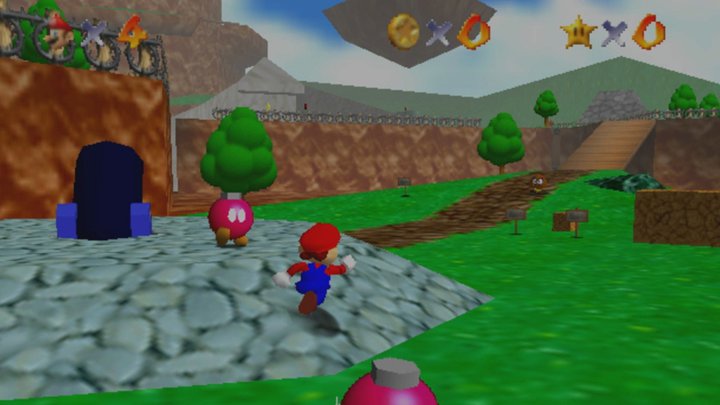
The earliest Space World, reportedly held in 1989 in Japan, is still foggy around the edges. What matters is the headline: Nintendo used it to show the Super Famicom/SNES era and Super Mario World. Most events would kill for an opening act that strong; Space World just walked in wearing a cape.
The ’90s Made Space World Feel Essential
Through the 1990s, Space World became the event to watch if Nintendo had a place in your heart, your living room, or your wallet. The SNES, the Super FX chip, the Nintendo 64 era, and the famously cursed-but-fascinating 64DD all passed through the spotlight.
Even when E3 arrived in 1995, Nintendo’s own show kept its identity. E3 was the giant industry gathering; Space World felt more like Nintendo letting fans peek inside its toy chest and then slamming the lid shut before anyone could grab EarthBound 64.
Space World was Nintendo’s hype laboratory: part museum of what was coming soon, part haunted house of what might never arrive.
That sense of possibility was the hook. Some announcements became classics. Some became delays. Some became legends because they did not survive in the form fans first saw. Modern showcases are polished to a sparkle; Space World could feel like Nintendo showing homework before the teacher had finished grading it.

Space World 2001 Was the Grand Finale
If Space World had to bow out, at least it left with fireworks, confetti, and a few internet message boards overheating in the background. The 2001 show was the final edition, but it became the most memorable thanks to a run of GameCube reveals and debates that aged into gaming folklore.
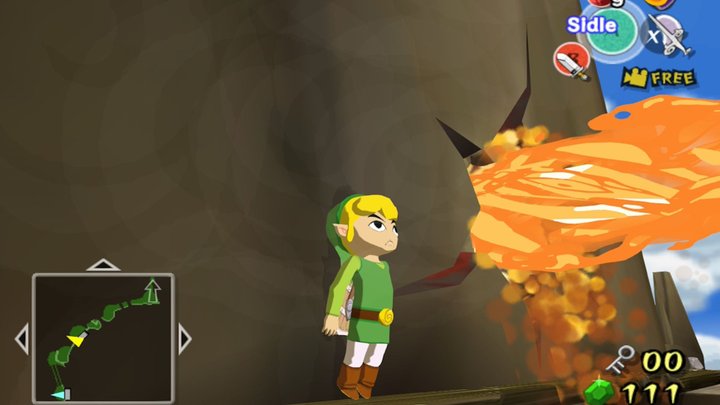
Super Mario Sunshine looked sunny, strange, and deliciously GameCube. The Legend of Zelda: The Wind Waker, meanwhile, arrived with a cel-shaded art style that immediately split the room. The nickname “Celda” appeared, because gamers have always been extremely normal about art direction.
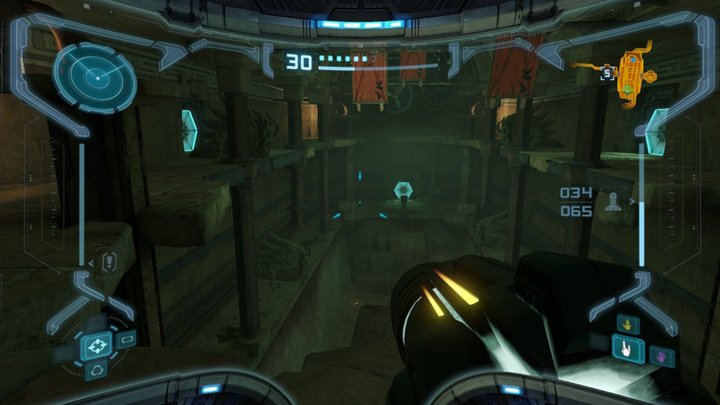
The same show helped fuel debate around Metroid Prime. Turning Samus Aran’s adventure into a first-person game sounded risky, especially when fans were protective of the series’ side-scrolling roots. Retro Studios eventually delivered one of the GameCube’s defining games, which is a nice reminder that panic is not a development strategy.
Why Nintendo Walked Away
After 2001, Nintendo retired Space World. The reason was not especially dramatic: running a dedicated showcase was expensive, and E3 already offered a massive platform for industry attention. When you can join the big circus, why keep renting your own tent?
Still, the spirit of Space World did not disappear. It changed clothes, learned broadband, and eventually became the Nintendo Direct model. Nintendo had spent years training fans to show up for focused, company-controlled reveals. Directs are faster, cheaper, global, and much less likely to require anyone to squint at a postage-stamp trailer download in 2001. Progress!
Space World’s Legacy Is Bigger Than Nostalgia
The end of E3 made Nintendo look unusually prepared, because the company had already spent decades thinking beyond the traditional trade-show format. Space World proved Nintendo did not need the industry’s biggest stage to create anticipation. It needed a clear message, a few irresistible games, and just enough mystery to make fans feral in the group chat.
That is why Nintendo Space World still matters. It was a showcase, yes, but it was also a bridge between old-school trade shows and the publisher-led reveals that dominate gaming today. Every time a Nintendo Direct drops and the internet collectively screams at a logo, Space World is somewhere in the background, nodding proudly.