
Opinion / Gaming
Why The Legend of Zelda Is the Best Game Series Ever
Plenty of franchises are important. Few have stayed as imaginative, influential, and emotionally memorable as The Legend of Zelda.
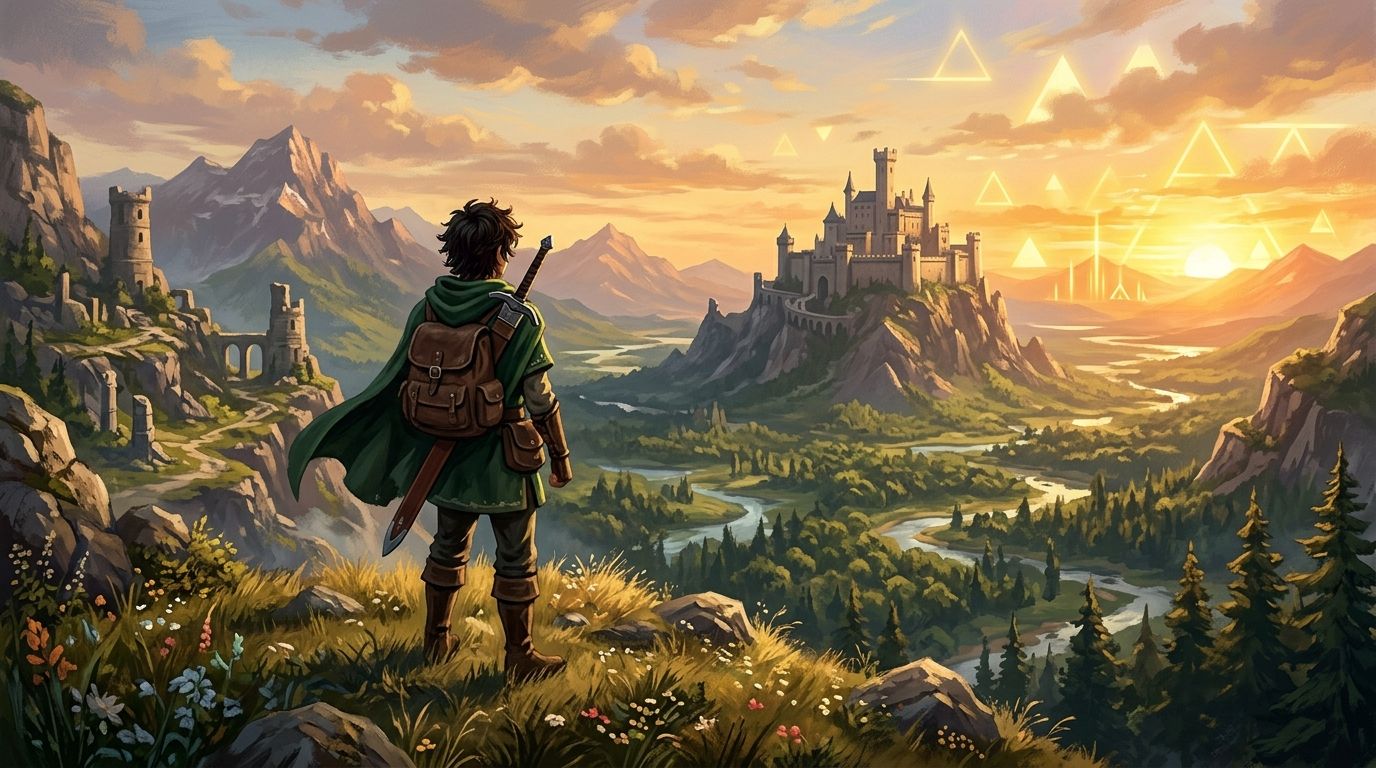
Calling The Legend of Zelda the best game series ever sounds like the kind of claim that starts arguments immediately. Mario fans can point to platforming perfection. Final Fantasy fans can point to massive stories. Halo, Pokémon, Metroid, Resident Evil, Grand Theft Auto, and countless others all have strong cases. But Zelda has something rare: it keeps changing while still feeling unmistakably like itself.
That is the real reason it deserves the crown. Since the original game, Zelda has been less about following a formula and more about chasing a feeling: curiosity, courage, discovery, danger, and wonder. The best Zelda games do not just ask players to beat levels. They invite players to inhabit a world, notice its patterns, solve its mysteries, and become the hero through action.
1. Zelda makes exploration feel meaningful
The greatest Zelda moments often begin with a simple question: “What is over there?” A cracked wall, a suspicious tree, a strange song, a locked door, a mountain in the distance, an island on the horizon—Zelda trains players to pay attention. The reward might be a heart piece, a new item, a dungeon entrance, a side quest, or just a memorable character tucked away in a corner of the map.
That design philosophy is why the series has aged so well. Many games create huge spaces, but size alone does not make a world interesting. Zelda worlds feel handcrafted. They are full of visual hints, environmental logic, shortcuts, secrets, and puzzles that make exploration feel like a conversation between the player and the designers.
Breath of the Wild pushed this idea further by letting players climb nearly anything, approach problems from multiple angles, and make their own route through Hyrule. Tears of the Kingdom expanded that freedom with building, sky islands, caves, and physics-driven problem solving. Yet even those modern open-world games still carry the old Zelda spirit: look closely, experiment, and the world will answer.
2. The series reinvents itself without losing its identity
A lot of long-running series struggle with the same problem: change too little and the games feel stale; change too much and fans wonder what happened to the series they loved. Zelda has survived because it understands which parts are essential and which parts can transform.
The essential pieces are familiar: Link, Zelda, courage, wisdom, power, dungeons, music, puzzles, mysterious lands, and the recurring battle against darkness. Nintendo’s official Zelda site describes the Triforce as tied to power, wisdom, and courage, and those ideas have become the emotional structure of the franchise. The details around them, however, constantly shift.
Ocarina of Time translated adventure into 3D and helped define how action games would control for decades. Majora’s Mask turned the series into a strange, melancholy time-loop drama. The Wind Waker transformed Hyrule into a bright ocean journey. Twilight Princess leaned into shadowy fantasy. Skyward Sword experimented with motion controls and origin-story mythology. Breath of the Wild broke the traditional dungeon structure wide open. That ability to evolve is not a weakness—it is the franchise’s superpower.
3. The gameplay respects the player’s intelligence
Zelda is famous for puzzles, but its best puzzles are not just brainteasers. They are built into the world. A torch is not just decoration; it might be a clue. A new item is not just a weapon; it is a key to rethinking old spaces. A melody is not just background music; it might change time, weather, movement, or memory.
This is why earning an item in a Zelda game feels so satisfying. The bow, hookshot, boomerang, bombs, paraglider, masks, runes, and Ultrahand-style construction tools all change the player’s relationship with the environment. The series teaches players new rules, then trusts them to apply those rules creatively.
That trust matters. Zelda rarely wins because it is the hardest series or the flashiest series. It wins because it makes players feel clever. When a door opens, a boss pattern clicks, or a hidden shrine reveals itself, the victory feels earned.
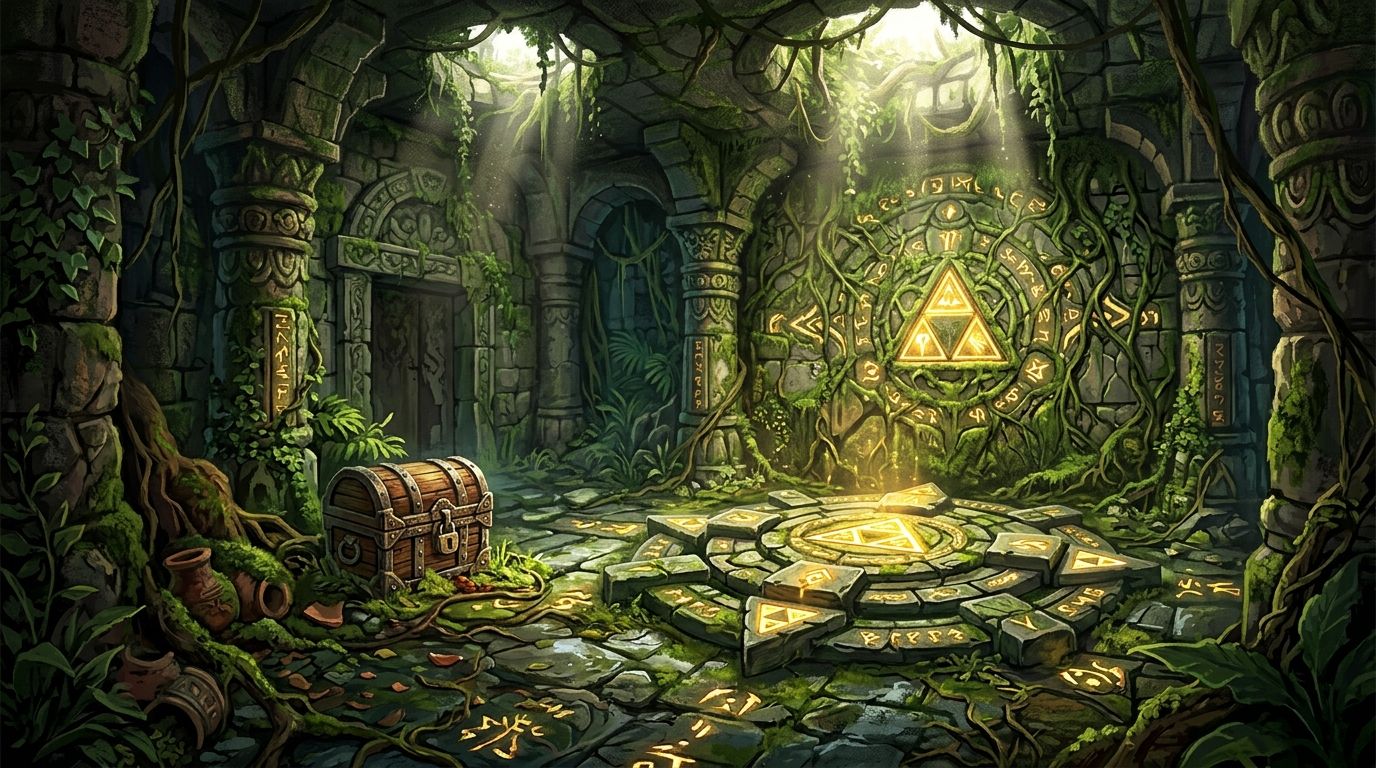
4. The music turns adventure into memory
Great game music does more than sound good. It becomes a memory trigger. Zelda may have one of the strongest musical identities in gaming: the overworld theme, Zelda’s Lullaby, the Song of Storms, the Great Fairy Fountain, Gerudo Valley, Dragon Roost Island, Midna’s Lament, and the quiet piano fragments of Breath of the Wild all create different emotional textures.
The music also helps explain why the series feels timeless. Zelda can be triumphant, lonely, funny, eerie, peaceful, or heartbreaking without needing long speeches. A few notes can tell you that you are safe, that something ancient is waking up, or that you are about to step into a place you will remember for years.
5. Link is simple on purpose
Some critics argue that Link is not a deep character because he rarely speaks. But that silence is one of Zelda’s smartest choices. Link is not empty; he is open. He gives players room to project themselves into the adventure.
Because of that, Zelda’s heroism feels participatory. The player is the one choosing to climb the mountain, face the dungeon, protect the village, help the stranger, and challenge the final evil. Link’s courage is not just something the story tells us about. It is something the player performs over and over.
6. The series balances myth with personality
Zelda can be grand and ancient, but it is never only serious. For every apocalyptic threat, there is a goofy shopkeeper, a bizarre side character, a chicken-related disaster, a dancing spirit, a lonely musician, or a tiny village story that gives the world warmth.
That balance is important. The fate of Hyrule matters because the people and places inside it have personality. Saving the world is more powerful when the world is not just a map, but a collection of odd, funny, sad, and charming lives.
7. Its influence is everywhere
It is difficult to talk about adventure games without talking about Zelda. Lock-and-key dungeon design, item-based progression, contextual action controls, musical interaction, environmental puzzle solving, and open-air exploration have all been shaped by the series in different eras. Even games that do not look like Zelda often borrow from its design language.
That influence would not matter if the games were only historically important. The impressive part is that Zelda keeps becoming relevant again. New generations do not just respect it as a museum piece; they play it, argue about it, remix it, speedrun it, rank it, and discover their own favorite version of Hyrule.
The verdict: Zelda is the best because it still feels magical
The strongest argument for The Legend of Zelda is not sales, review scores, nostalgia, or even influence, although all of those help. The strongest argument is the feeling the series creates. Zelda makes players believe the world is bigger than it looks, that courage can be quiet, that mystery is worth chasing, and that adventure begins the moment you decide to take one more step.
Other series may match Zelda in individual categories. Some have better combat, bigger stories, deeper customization, or more competitive multiplayer. But as a complete package—exploration, puzzles, music, myth, reinvention, atmosphere, and emotional memory—Zelda stands above the rest.
That is why The Legend of Zelda is not just one of the greatest video game series ever. It is the series that best captures why games are special in the first place: they let us become brave inside a world full of secrets.