
Film history • Horror cinema • Timeline
Zombie Movies Through Time: From Voodoo Nightmares to Global Apocalypse
Zombie movies have changed dramatically over the last century: from hypnotic folklore and Caribbean Gothic to social satire, splatter comedy, fast infected thrillers, and emotionally charged international blockbusters.
Why Zombie Movies Keep Coming Back
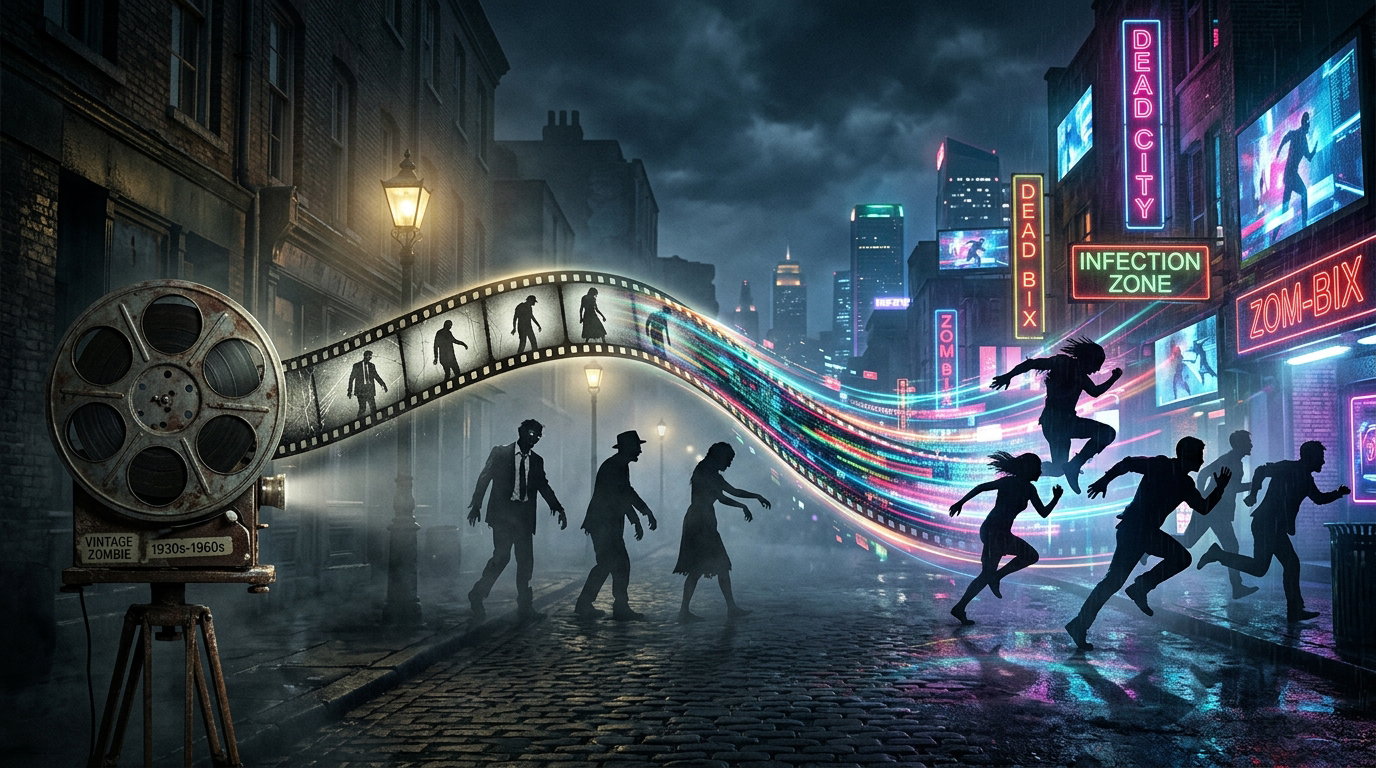
Every generation gets the zombie it deserves. In the 1930s, zombies reflected colonial anxieties and the fear of losing free will. In the late 1960s and 1970s, they became a mirror for social collapse, consumerism, and media panic. By the 2000s, fast infected hordes captured fears about pandemics, cities, and systems breaking down overnight.
That flexibility is why zombie films remain one of horror’s most durable subgenres. A zombie can be a monster, a metaphor, a crowd, a virus, a comedy engine, a war machine, or a heartbreaking reminder of humanity after disaster.
1930s–1940s
The Folklore Era: Voodoo, Hypnosis, and the Fear of Control
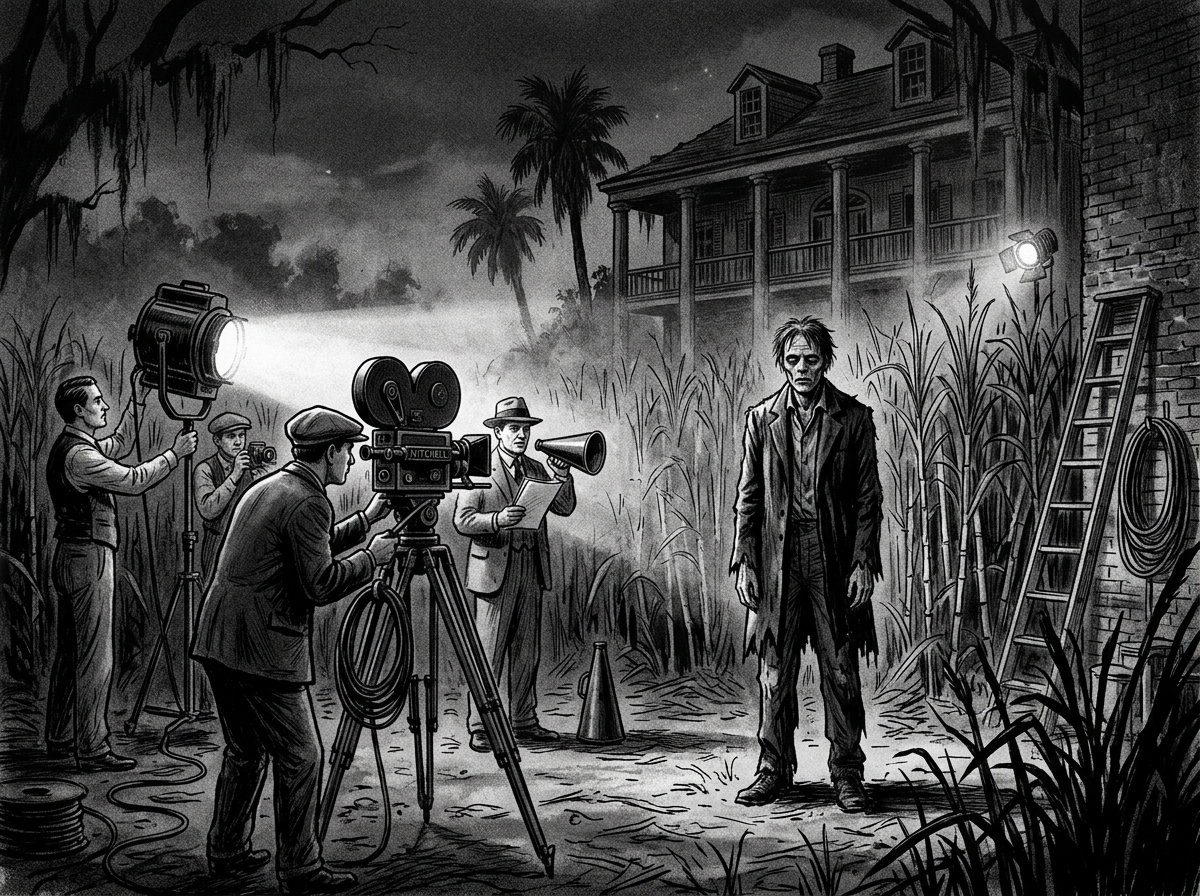
The earliest famous zombie movies were not about flesh-eating corpses. Films such as White Zombie (1932) and I Walked with a Zombie (1943) drew from Western interpretations of Haitian folklore, Gothic melodrama, and colonial fantasy. The zombie was often a silent, controlled body rather than an apocalyptic threat.
These films established the zombie as a uniquely cinematic creature: slow, uncanny, and visually haunting. Their legacy is complicated, but their atmosphere shaped decades of undead imagery.
1968 onward
The Birth of the Modern Zombie
George A. Romero’s Night of the Living Dead (1968) transformed zombie movies forever. The undead became flesh-eating crowds, the farmhouse became a pressure cooker, and horror became a vehicle for social commentary. Romero’s follow-up, Dawn of the Dead (1978), pushed the metaphor further by turning a shopping mall into a battleground of consumer culture.
From that point forward, zombie cinema split into several paths: bleak survival horror, outrageous splatter, horror comedy, virus-style infected thrillers, video-game adaptations, and international stories that use the undead to explore family, class, grief, and national crisis.
Timeline table
Zombie Movies Through Time: Key Milestones
Use the buttons to highlight a film era, or scan the full table for a quick history of the zombie movie.
| Year | Film / Movement | Era | Why it matters |
|---|---|---|---|
| 1932 | White Zombie | Classic folklore horror | Often cited as the first feature-length zombie film; built the screen zombie around hypnosis, control, and eerie atmosphere. |
| 1943 | I Walked with a Zombie | Caribbean Gothic | Blended Gothic romance, dreamlike visuals, and voodoo-inspired imagery into one of the most atmospheric early zombie films. |
| 1968 | Night of the Living Dead | Modern zombie birth | Redefined zombies as cannibalistic undead hordes and established the survival-siege template still used today. |
| 1978 | Dawn of the Dead | Social satire | Turned a mall into a powerful metaphor for consumerism while expanding zombie action, gore, and world-building. |
| 1985 | The Return of the Living Dead | Punk horror comedy | Popularized the comic image of zombies craving brains and proved undead horror could be funny, stylish, and subcultural. |
| 1992 | Braindead / Dead Alive | Splatter excess | Showed the zombie film at its most outrageous, using slapstick gore and practical effects as a form of horror spectacle. |
| 2002 | 28 Days Later | Fast infected thriller | Although its monsters are infected rather than undead, it reshaped zombie-style cinema with speed, rage, digital grit, and outbreak panic. |
| 2002 | Resident Evil | Video-game adaptation | Helped bring zombie action-horror into franchise filmmaking and connected undead cinema with gaming culture. |
| 2004 | Shaun of the Dead | Zom-com | Balanced heartfelt character comedy with loving Romero references, making zombie movies accessible to a wider audience. |
| 2007 | [REC] | Found-footage terror | Used cramped space, handheld perspective, and outbreak mystery to make zombie-style horror feel immediate again. |
| 2009 | Zombieland | Mainstream horror comedy | Turned survival rules, road-movie energy, and comic violence into a popular, quote-friendly zombie adventure. |
| 2013 | World War Z | Blockbuster scale | Brought fast swarms, global stakes, and disaster-movie spectacle to the zombie genre on a massive budget. |
| 2016 | Train to Busan | Global modern classic | Combined kinetic infected horror with class tension and family melodrama, becoming a landmark in international zombie cinema. |
| 2017 | One Cut of the Dead | Meta indie reinvention | Used the zombie film as a playful love letter to low-budget filmmaking, performance, and audience expectations. |
| 2020s | Streaming-era zombie stories | Global and hybrid horror | Modern zombie movies and series increasingly mix action, pandemic anxiety, class critique, comedy, and international settings. |
Genre evolution
The Five Big Eras of Zombie Cinema
Folklore and trance
Early zombie movies emphasized possession, control, and occult dread. The fear was not being eaten; it was losing the self.
Romero and the siege
The modern zombie became a crowd: hungry, relentless, and politically loaded. Survival meant facing both the undead and human failure.
Splatter, comedy, and cult style
The 1980s and 1990s made zombies funnier, gorier, and stranger, turning the subgenre into a playground for practical effects.
Fast infected panic
The 2000s traded shuffling dread for sprinting chaos, echoing anxieties about outbreaks, urban life, terrorism, and rapid collapse.
Global emotional horror
Recent zombie cinema is international, emotionally direct, and genre-blending, with stories that move between action, grief, satire, and survival drama.
What changed most?
From Slow Corpses to Fast Social Metaphors
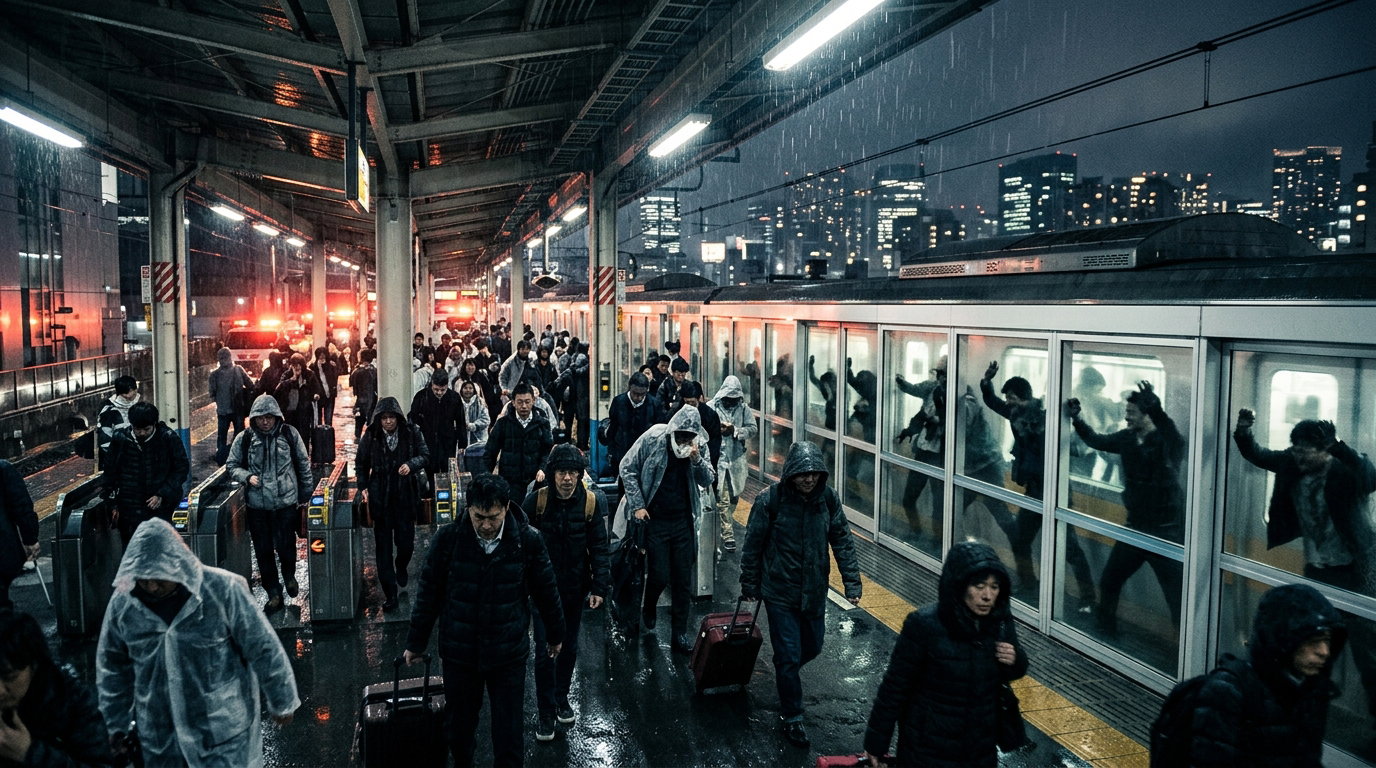
The greatest shift in zombie movie history is not just speed. It is scope. Early films centered on individual victims and supernatural control. Romero widened the lens to society. Twenty-first-century zombie stories often go bigger still: cities, supply chains, public health systems, militaries, and media networks all collapse under pressure.
Yet the best zombie films remain intimate. They ask who people become when rules disappear, how communities form under stress, and whether humanity survives after civilization does not.
Essential Zombie Movie Watchlist
If you want a compact journey through zombie movie history, start with these titles:
- White Zombie (1932) — the early folklore foundation.
- Night of the Living Dead (1968) — the birth of the modern undead.
- Dawn of the Dead (1978) — social satire meets zombie spectacle.
- The Return of the Living Dead (1985) — punk energy and undead comedy.
- 28 Days Later (2002) — the fast-infected revolution.
- Shaun of the Dead (2004) — the definitive zom-com.
- [REC] (2007) — found footage at its most claustrophobic.
- Train to Busan (2016) — modern global zombie cinema at full emotional speed.
FAQ: Zombie Movies Through Time
What was the first zombie movie?
White Zombie (1932) is widely regarded as the first feature-length zombie film and remains a key starting point for zombie movie history.
Which film created the modern zombie?
Night of the Living Dead (1968) established many modern zombie conventions, including flesh-eating undead, siege survival, and social commentary.
Are fast infected movies zombie movies?
Purists may separate infected films from undead zombie films, but movies such as 28 Days Later strongly influenced modern zombie cinema and are often discussed within the genre.
Why are zombie movies so popular?
Zombie movies are adaptable. They can explore fear of disease, consumerism, war, class conflict, isolation, grief, comedy, survival, and the collapse of everyday systems.