
 Alien: Isolation 2
Alien: Isolation 2 Preview: The Return of Sevastopol’s Monster

Alien: Isolation 2 is moving the nightmare beyond Sevastopol without abandoning what made Creative Assembly’s survival horror classic so memorable. The sequel’s early pre-alpha showing points to a wider, wetter, more hostile return for the Xenomorph, with Blake’s mission on LV-921 already carrying the same anxious pulse as Amanda Ripley’s original ordeal.
When Alien: Isolation arrived in 2014, it gave the Alien franchise one of its strongest game adaptations by turning fear into a system. Players were not simply running from a monster; they were reading sound, light, vents, doors, and every unreliable tool Sevastopol Station could offer.
For years, fans had to settle for side stories, mobile spin-offs, comics, and hope. Sega and Creative Assembly finally confirmed a proper sequel in 2024, then brought Alien: Isolation 2 into sharper focus around Alien Day 2026 and Summer Game Fest 2026. The preview build introduces Blake, a Weyland-Yutani executive whose assignment quickly becomes another lesson in corporate hubris and cosmic horror.
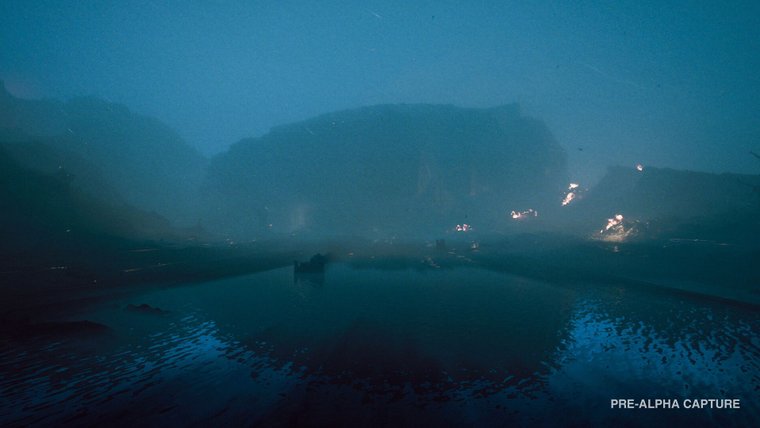
Alien: Isolation 2 brings the hunt planetside
The clearest difference in the Alien: Isolation 2 preview is the setting. Instead of opening inside another claustrophobic space station, the demo begins on LV-921, a rain-lashed colony world where the darkness feels less architectural and more natural. Mud, trees, wreckage, and poor visibility create a different kind of vulnerability.
That new scale changes the question at the heart of the game. Sevastopol made players wonder which corridor, locker, or vent could keep them alive. LV-921 asks what survival looks like when there may be more room to move but fewer obvious places to hide. A Xenomorph in open terrain is not automatically less frightening; it may be harder to predict.
The demo still understands that Alien: Isolation lives in enclosed spaces. Blake and her team soon reach the crashed Gemini Exoplanet Solutions Hazardous Lab, a piece of Sevastopol history that links the sequel directly to Amanda Ripley and Marshal Waits’ desperate actions in the first game.
Inside the damaged lab, familiar mechanics start to reappear with a slightly different texture. Flares push back the dark, the flashlight matters, scrap is worth collecting, ladders and traversal matter, and repairs appear to be handled with scavenged parts instead of always forcing a dedicated crafted item first. It sounds small, but that kind of immediacy could make exploration feel more physical and reactive.
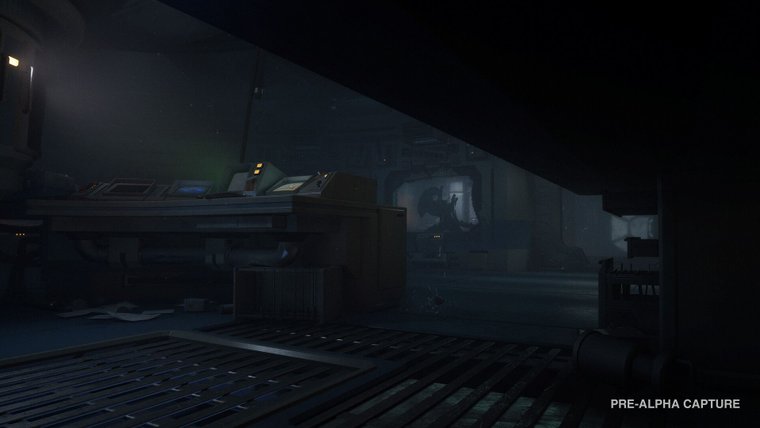
Sevastopol’s old fears are not finished
Once the lab comes back to life, the sequel’s connection to Sevastopol becomes more than a reference. Burning corridors, blocked paths, failing systems, and the return of Registration Points all point to Creative Assembly rebuilding the rhythm that made the original so effective: relief, dread, progress, interruption, repeat.
The Registration Points are especially important. In most games, saving is just a utility. In Alien: Isolation, reaching a save station felt like surviving a chapter of a personal horror film, and the animation was long enough to make players feel exposed. Bringing that anxiety back is a strong sign that Alien: Isolation 2 remembers the small details.
The Working Joe synths also appear to be back, which is excellent news for the sequel’s pacing. The Xenomorph is the headline threat, but the androids made Sevastopol feel hostile even when the alien was not in the room. Their stiff movements, calm voices, and unstoppable persistence helped the first game avoid becoming predictable.

Why Creative Assembly’s sequel already has the right shape
The best thing about this Alien: Isolation 2 preview is that it does not look like a sequel chasing scale for its own sake. LV-921 gives Creative Assembly a broader canvas, but the Gemini lab, Sevastopol references, survival tools, and returning threats keep the horror grounded in systems players already understand.
That balance is essential. Too much nostalgia would make the sequel feel like a museum tour through old nightmares. Too much reinvention could sand away the tension fans came back for. The pre-alpha demo seems to be aiming for the middle: a new environment, a new protagonist, and a familiar sense that every decision could invite something lethal.
Alien: Isolation 2 still has plenty to prove before launch, and Creative Assembly has not shown enough to answer every question about structure, AI behavior, or how open LV-921 really becomes. Even so, this first look makes the sequel feel like a purposeful return rather than a brand obligation. Sevastopol’s monster is back, but the most exciting part is that it may have learned new hunting grounds.
Alien: Isolation 2
- Developer
- Creative Assembly
- Publisher
- Sega
- Genre
- First-person survival horror
- Status
- Pre-alpha demo shown at Summer Game Fest 2026