Half-Life 2
How Half-Life 2 Was Stolen: The Leak That Tested Valve
Before Half-Life 2 became one of the most influential PC games ever released, Valve had to survive one of the most infamous video game leaks in history.
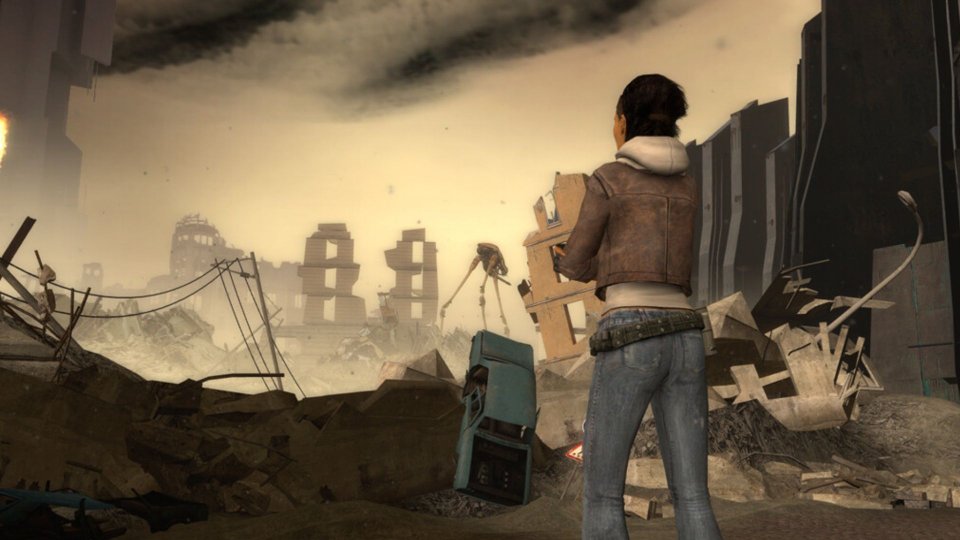
Valve’s sequel was never meant to be just another follow-up. After redefining first-person shooters with the original Half-Life, the studio wanted Half-Life 2 to prove it could push storytelling, physics, worldbuilding, and technical design forward all at once.
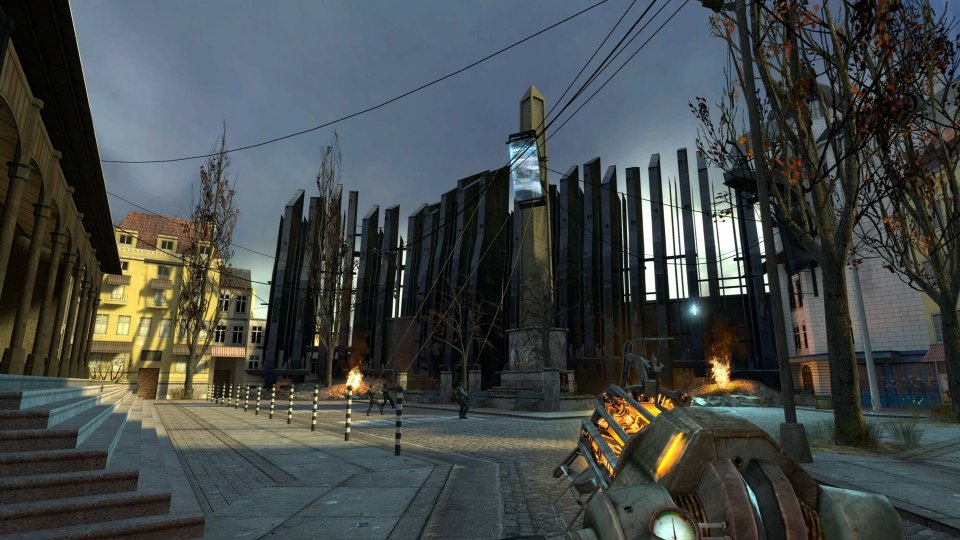
That ambition made the game’s E3 2003 reveal feel seismic. Players immediately treated Half-Life 2 as one of the biggest upcoming PC releases in the world. But while the public waited for the promised September 2003 launch, Valve was dealing with something far more damaging than a missed release date: someone had broken into its network.
The Half-Life 2 Leak Explained
In the summer of 2003, Half-Life 2 was still deep in development. Valve was racing toward a target it would not hit, but the studio’s bigger problem was invisible. A German hacker named Axel Gembe had found his way into Valve’s systems and quietly explored areas that should never have been exposed.
The breach was devastating because it did not stop at a screenshot, trailer, or isolated document. Gembe gained access to material tied directly to the game’s unfinished code and development work. For a project as closely watched as Half-Life 2, that kind of access was a nightmare scenario.
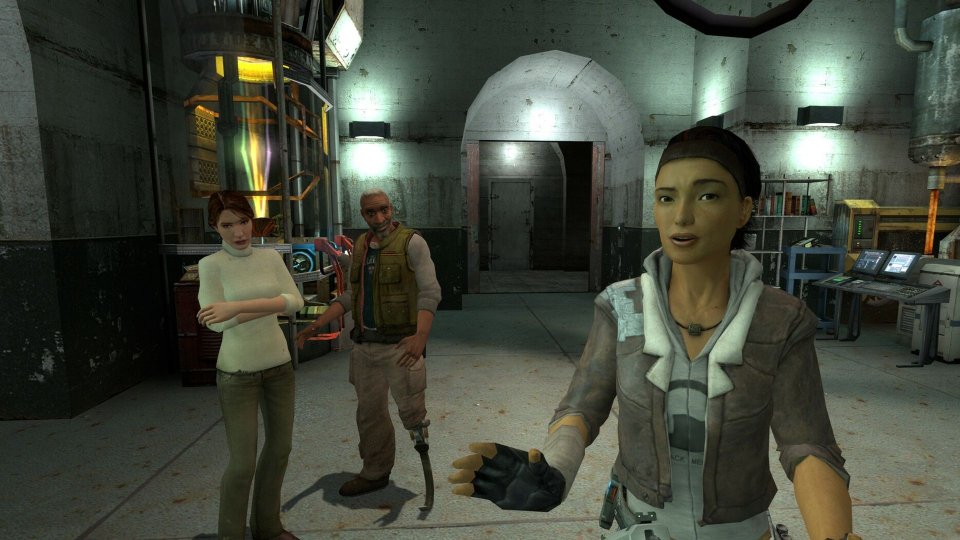
Once the files left Valve’s control, the leak spread quickly. What had been an internal, incomplete version of one of gaming’s most anticipated sequels was suddenly circulating outside the studio. The public could now poke through unfinished systems, incomplete assets, and code that was never meant to represent the final game.
For Valve, the damage was not only technical. The Half-Life 2 leak created a perception problem. Fans who had been expecting a polished, genre-shaping shooter were now seeing fragments of a work in progress and wondering whether the game was in trouble.
Why the Leak Hit Valve So Hard
By October 2003, morale inside Valve had taken a serious blow. The stolen data had been assembled into a playable state by people outside the studio, and the results were messy because the game itself was unfinished. That context mattered, but online reaction rarely gives unfinished work the benefit of the doubt.
For developers, leaks can be brutal because they turn private iteration into public judgment. Half-Life 2 was being built to feel cohesive, reactive, and alive. Instead, the leak encouraged people to judge isolated pieces before Valve had finished stitching everything together.
The studio’s only practical option was to keep building. Valve knew the version spreading online was not the version it intended to ship. So the team closed security gaps, regrouped after the holidays, and pushed toward a 2004 release with renewed urgency.

The break at the end of 2003 gave Valve time to reset. When development resumed, the team had a clearer mission: finish Half-Life 2, repair the damage, and make sure the final game overwhelmed the conversation around the leak.
That is exactly what happened. The stolen build may have rattled the studio, but it did not stop the project. If anything, the pressure around the leak became another obstacle Valve had to overcome on the way to shipping one of the decade’s defining games.
How Valve Found the Hacker
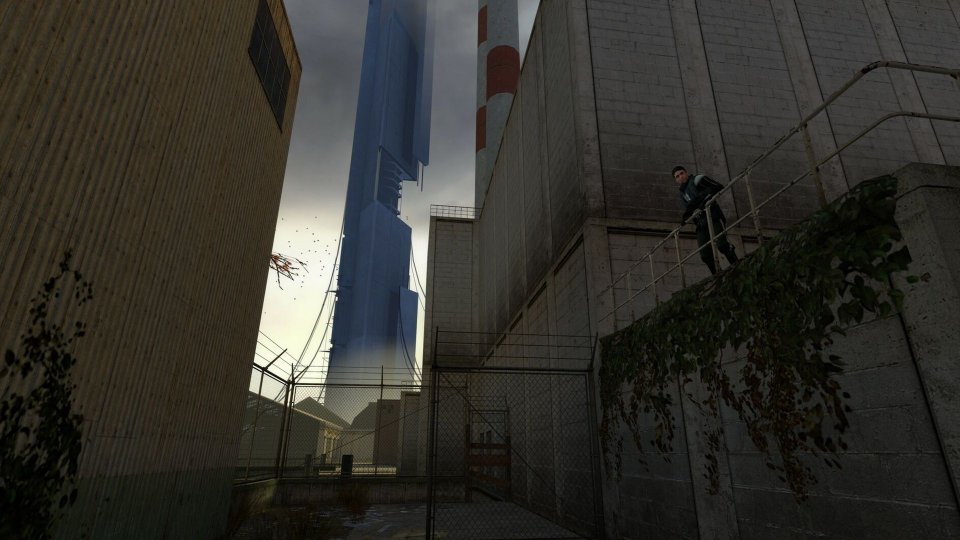
The story did not end with the leak itself. Gembe later contacted Gabe Newell by email and admitted responsibility. Rather than simply responding in public, Valve worked with law enforcement on a plan that turned the hacker’s own interest in the company against him.
Gembe was invited to what he believed could be a job interview at Valve. Before he could travel, German authorities arrested him. He was eventually sentenced to probation, and he later apologized publicly for his role in the Half-Life 2 theft.
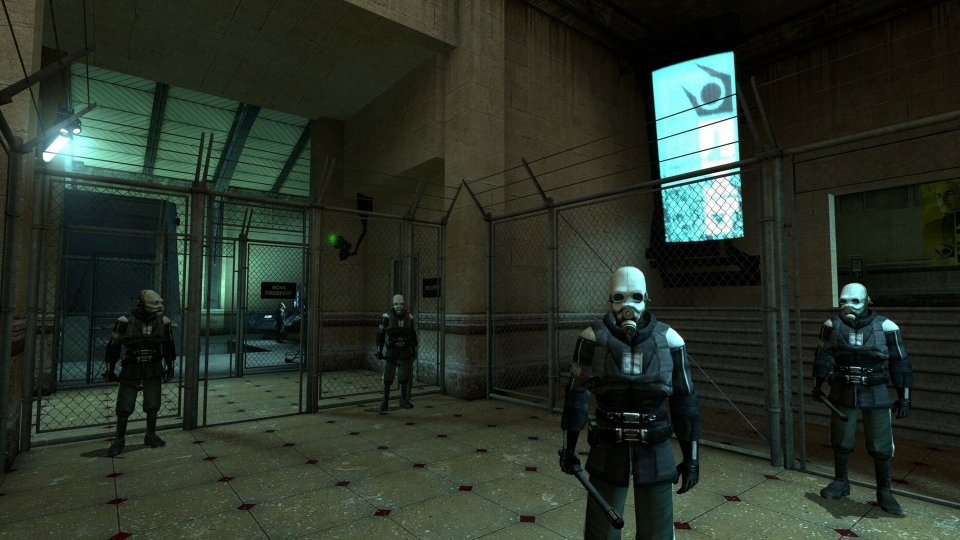
Half-Life 2 finally launched on November 16, 2004. By then, the leak was still part of the game’s story, but it was no longer the headline. The finished release was too ambitious, too polished, and too important for the theft to define it.
The game also accelerated Steam’s rise by requiring Valve’s digital platform to play. What began as a catastrophic security breach ended as a footnote in a much bigger legacy: Half-Life 2 helped reshape PC gaming, digital distribution, and expectations for story-driven shooters.