
 Console Pricing
PS5 Price Hikes: Sony Says Players Are Still Buying Anyway
PlayStation hardware is getting pricier, and Sony says the crowd has not left the checkout line.
Sony says PS5 demand is still on track
Console prices have been doing the one thing nobody asked them to do: leveling up. Over the past year, PlayStation, Xbox, and Nintendo have all been squeezed by more expensive components, memory shortages, and a hardware market that seems to have discovered boss-fight difficulty settings.
Sony’s message to investors is simple, though: the higher prices have not scared PlayStation players away. In a recent strategy Q&A, the company said sales are “proceeding as planned” and that it does not believe the increases have caused a drop in customer demand.
That is the polished corporate version. The player version is probably closer to looking at a console price tag, whispering “absolutely not,” then somehow still checking whether the delivery date is before the weekend.
What changed with PS5 pricing?
In April, Sony raised prices across part of its PlayStation hardware lineup, including the PS5, PS5 Pro, and PlayStation Portal remote player. The standard PS5 moved to $649.99, while the PS5 Pro landed at $899.99.
That puts premium console hardware uncomfortably close to the thousand-dollar neighborhood. Not inside the mansion yet, but definitely peeking through the window and asking if the Wi-Fi is included.
Sony’s position is that it does not want to sell hardware at major losses. That is not a shocking business stance, but it does mean more of the component-cost pain can land in players’ laps, right next to the controller, the headset, and the snack bowl that is also somehow $12 now.
The awkward sales subplot
Here is where the plot gets spicy. Sony says demand remains healthy, but market reports have suggested PS5 unit sales in May were sharply lower, with one report pointing to a 58% year-over-year drop and the weakest May total for PlayStation hardware in decades.
That does not automatically mean the price hikes caused the slump. Console sales rise and fall with release calendars, inventory, promotions, and the natural gravity of a platform’s life cycle. Still, when prices go up and units go down, players are allowed to raise one eyebrow dramatically.

Layoffs, Bungie, and the push for profitability
The pricing conversation is not happening in a vacuum. Sony has also been tightening its gaming business after a difficult stretch that included layoffs and a more focused approach to Bungie, Destiny 2, and Marathon.
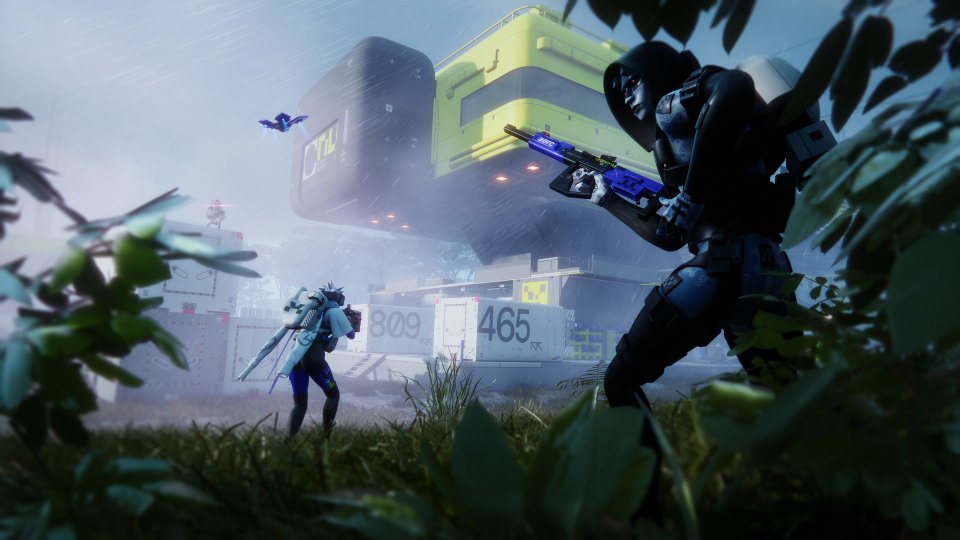
In investor language, Sony is becoming more disciplined with cost structures, supply chains, and data-driven programs. In human language: fewer blank checks, more spreadsheets, and probably at least one meeting where the phrase “efficiency opportunities” made everyone stare at the carpet.
That strategy makes sense if hardware margins are under pressure. It is just less comforting if you are a player hoping the next console generation does not require a payment plan, a ceremonial sacrifice, and a side quest to defeat the Monthly Budget Dragon.
PlayStation may lean beyond the box
Sony also hinted that the PlayStation ecosystem is bigger than the plastic rectangle under the TV. The company said the value of its dedicated gaming device is the experience, not the hardware alone, and it sees room to reach more play styles and environments over the next five years.
That could mean more careful expansion across PC and mobile while keeping first-party software strong. It also reflects a broader industry shift: the console is still central, but the platform is the real castle.
Third-party publishers remain a massive part of PlayStation’s ecosystem, and Sony wants to keep the install base, community, and monetization tools attractive. Translation: the box matters, but the store, services, and player habits matter just as much.
RAMaggedon is eating everyone’s lunch
Sony is not alone in this pricey little circus. Xbox has also raised console prices, with another increase scheduled for August 2026, and Nintendo has pointed to changing market conditions around Switch 2 pricing.
Memory shortages and component costs are pushing up the price of consoles, PCs, and new hardware experiments. Even Valve’s Steam Machine chatter has arrived with a premium-price jumpscare, because apparently the industry decided horror games should be a pricing model.
The short version: gaming hardware is getting more expensive everywhere at once. Sony says PlayStation players are accepting it for now, but “accepting” is doing a lot of emotional heavy lifting here.
Koigen’s take
Sony may be right that PS5 demand has not cracked in the way skeptics expected. PlayStation remains a giant brand with sticky exclusives, a massive digital library, and millions of players already invested in the ecosystem.
But the industry should be careful. Players can tolerate higher prices when the value is obvious. If hardware costs keep climbing while layoffs, delayed games, and premium services pile up, that patience can turn into a very loud “maybe I’ll just clear my backlog” faster than a DualSense battery warning.
For now, Sony says the plan is working. Players, meanwhile, are doing the math, refreshing sales pages, and hoping the next console does not come bundled with a mortgage application.