ThePremium.com / Watches
The Watch Brands Worth Your Attention Beyond Rolex and Omega
The best independent watch brands are not merely alternatives to the obvious names. They are where serious collectors go when the object, the maker and the philosophy matter more than recognition across the room.
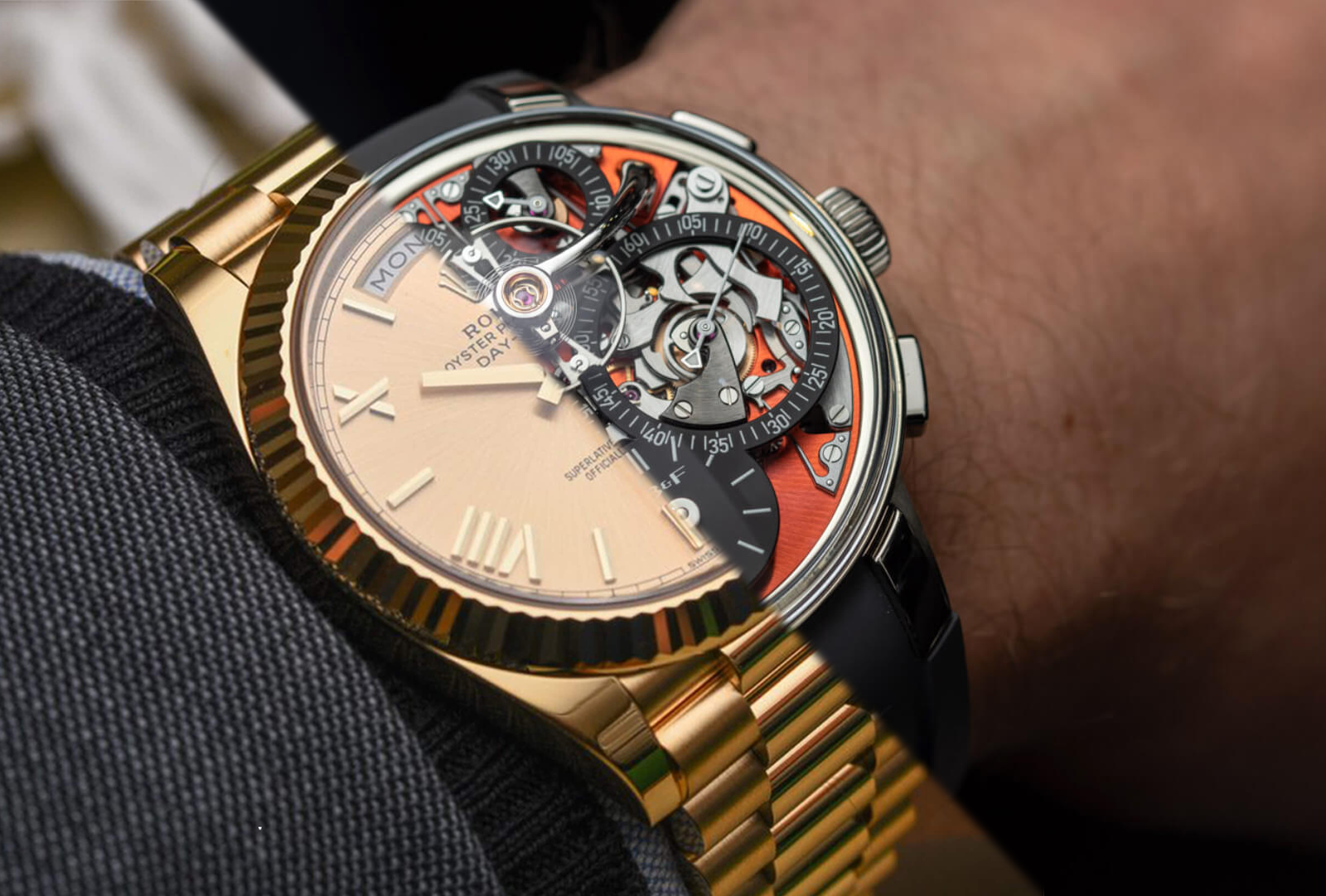
H. Moser & Cie., Laurent Ferrier, Nomos Glashütte, Kurono Tokyo, Ming and Czapek each offer a different answer to the same question: what should a mechanical watch be when it is not designed for mass consensus?
Why independents matter now
The watches that excite serious collectors right now mostly are not Rolex or Omega. They are smaller, stranger and often harder to explain to someone who only knows the market through steel-sports waiting lists. That is exactly the point.
Rolex and Omega remain formidable: industrially brilliant, reliable, liquid and culturally fluent. But once you have moved past the “which Rolex?” stage, the next layer of collecting is less about having the known answer and more about developing taste. Independent and smaller-scale makers give you a clearer view of that taste because the decisions are less diluted by committee. The dial typography, case architecture, movement finishing, production philosophy and distribution model all reveal a maker’s priorities.
That does not make every independent watch a smarter purchase. Some are inconvenient to buy, slow to service and far less liquid than a Submariner, Speedmaster or Royal Oak. A sober collector should see those drawbacks not as fine print but as part of the purchase. You are buying an object with a point of view. If the point of view is not enough, buy the established blue chip instead.
For broader context, our luxury and watches coverage is useful if you are still setting the shape of a collection. If finishing is what draws you into this category, our analysis of Grand Seiko vs Swiss luxury finishing explains why the best watch is not always the most socially obvious one. And if you are allocating capital across several pieces rather than chasing one trophy, start with How to Build a Watch Collection.
The brands worth studying
The following brands are not interchangeable. Some are true small independents, some are independent industrial manufacturers, and some sit in the revived-name category with modern capital behind them. What they share is a reason to exist beyond “a different logo on a Swiss watch.”
Schaffhausen, Switzerland
H. Moser & Cie.
Why it matters: Moser is the independent for collectors who like restraint with a wink. The brand’s best work uses fumé dials, stripped-back “Concept” executions, elegant perpetual calendars and the Streamliner’s integrated-bracelet language to make complicated watches feel less desperate for approval.
Background: The historic H. Moser name has been shaped in its modern era by the Meylan family, with in-house manufacturing capability and a habit of using satire to criticize the watch industry’s more self-serious rituals. Underneath the theater is real horological substance: smart calendar architecture, strong dial work and a willingness to leave the logo off the dial when the design can carry itself.
Access reality: Core Endeavour and Pioneer models are generally more attainable than limited Concept pieces or sought-after Streamliner references. The best approach is a long conversation with an authorized retailer, not a cold hunt for whatever has the shortest wait.
Resale reality: Moser has more recognition than many independents, but liquidity still varies sharply by reference. The Streamliner and certain limited dials can command serious demand; quieter dress references may require patience and realistic pricing. Treat resale as possible, not guaranteed.
Geneva, Switzerland
Laurent Ferrier
Why it matters: Laurent Ferrier is for collectors who believe luxury should not need to raise its voice. The cases are soft without being sentimental, the dials are controlled, and the movements are often finished with the quiet confidence of someone who has nothing to prove.
Background: Laurent Ferrier spent decades at Patek Philippe before building an eponymous manufacture with a language of rounded cases, restrained dials and high-grade movement architecture. The brand’s appeal is not novelty; it is proportion, tactility and finishing that rewards a loupe rather than a passing glance.
Access reality: Production is small and the best pieces are expensive enough that the buyer pool is serious but narrow. Allocation tends to favor collectors with relationships and patience. This is not the brand to discover on Monday and expect to wear by Friday.
Resale reality: Resale can be thin because the audience is highly educated and very specific. Exceptional configurations have demand, but the market is not broad. Buy one because the watch feels inevitable to you, not because you assume an easy exit.
Glashütte, Germany
Nomos Glashütte
Why it matters: Nomos is the rare independent that combines design clarity, serious manufacturing depth and prices that still make sense in a market addicted to inflation. It is not trying to imitate Swiss luxury. It is building a German argument for modern mechanical watchmaking.
Background: Founded after German reunification, Nomos has grown from a design-led Glashütte upstart into a legitimate manufacture with in-house calibers and its own escapement system. The Tangente, Orion, Metro and Club lines show how much personality can live inside disciplined typography and thin cases.
Access reality: This is the most straightforward brand on the list to buy at retail. Many models are available through authorized dealers or directly, though special editions and certain colorways still disappear quickly.
Resale reality: Nomos is relatively liquid for an independent-minded brand at its price point, but it is not a flip-first proposition. Pre-owned buyers are value-sensitive, and discounts or lightly worn examples can compress resale. The advantage is lower entry cost and a larger enthusiast audience.
Tokyo, Japan
Kurono Tokyo
Why it matters: Kurono Tokyo offers a controlled dose of Hajime Asaoka’s design sensibility at a price below his handmade haute horlogerie pieces. The attraction is dial design: sector layouts, warm colors, compact proportions and a distinctly Japanese sense of graphic balance.
Background: Asaoka’s independent watchmaking sits at the very high end, while Kurono Tokyo was created as a more accessible expression of his aesthetic. The watches usually rely on dependable outsourced movements rather than handmade movement theater. That is not a flaw if you understand the proposition: design, scarcity and cultural point of view.
Access reality: Kurono often operates through timed releases or limited drops. That makes buying feel democratic in theory and maddening in practice. You need account readiness, fast payment and the emotional discipline not to chase every dial.
Resale reality: Limited releases can trade above retail when demand peaks, but the market is sentiment-driven. Some references are meaningfully stronger than others. If you buy after the initial hype, compare recent completed sales rather than relying on optimistic listings.
Kuala Lumpur / Switzerland
Ming
Why it matters: Ming has one of the most recognizable modern design languages in independent watches: flared lugs, luminous architecture, layered dials and a photographic understanding of how a watch plays with light. It feels contemporary without looking disposable.
Background: Founded by photographer and collector Ming Thein with a group of enthusiasts, the brand works with Swiss production partners rather than presenting itself as an old-world manufacture. That transparency is part of the appeal. The watches are conceived with a strong visual signature and executed through a tight network of specialists.
Access reality: Demand has often exceeded supply. Orders, allocations and limited production windows require attention and speed. You may need to accept that the reference you want is available only on the secondary market.
Resale reality: Ming resale depends heavily on reference, condition, production size and whether the broader collector conversation is still focused on that model. The strongest pieces have real demand, but liquidity is not uniform. Pay attention to spreads between asking prices and completed transactions.
Geneva, Switzerland
Czapek
Why it matters: Czapek is a revived historic name that has become relevant because the modern watches have substance. The Antarctique in particular gave collectors an integrated-bracelet option with personality rather than another attempt to draft behind the Royal Oak and Nautilus.
Background: The Czapek name traces back to François Czapek, once associated with Antoine Norbert de Patek before Patek Philippe took its final form. The modern company has built credibility through transparent architecture, attractive finishing and a community-driven revival model rather than nostalgia alone.
Access reality: Entry depends on the line. Some dressier pieces are easier to discuss at retail, while the most desirable Antarctique configurations can involve allocation pressure. As with most smaller brands, relationship matters more than refresh-button luck.
Resale reality: Czapek has stronger market recognition than it did a few years ago, but it is still a specialist buy. Antarctique models tend to be the most liquid. Less-hyped references can sit longer, especially if priced as though every Czapek were equally scarce.
Waiting lists, service networks and resale reality
The least sophisticated way to talk about independent watches is to pretend scarcity automatically equals value. Scarcity is only valuable when enough informed buyers care. A watch can be rare and still hard to sell.
The honest collector framework
- Waiting lists are not all the same. A small workshop with constrained annual production is different from a large brand using scarcity as retail theater. Ask whether the bottleneck is movement supply, hand-finishing, dial production, case production or allocation policy.
- Service is part of ownership, not an afterthought. Before buying, ask where routine service is performed, whether the watch must return to Switzerland, Germany or Japan, what the expected turnaround is, and how parts availability is handled.
- Resale liquidity is usually weaker than major Swiss brands. A Rolex can often be converted into cash quickly because the buyer pool is enormous. A Laurent Ferrier or Ming may need the right collector at the right moment.
- Condition and completeness matter more in niche markets. Box, papers, straps, warranty cards, service records and original accessories can materially affect confidence when the buyer pool is small.
| Brand | Best reason to buy | Access reality | Resale/liquidity note |
|---|---|---|---|
| H. Moser & Cie. | Modern minimalism, fumé dials, clever complications, Streamliner design. | Model-dependent; hot limited pieces and Streamliners require patience. | Stronger than many small independents, but reference-specific. |
| Laurent Ferrier | Quiet Geneva elegance and high-end movement finishing. | Small production, relationship-led allocation, high entry cost. | Collector-grade appeal, but narrow buyer base and slower exits. |
| Nomos Glashütte | Independent German design, in-house calibers and rational pricing. | Generally accessible through dealers or direct channels. | Healthy enthusiast demand, though pre-owned pricing can be value-sensitive. |
| Kurono Tokyo | Hajime Asaoka design language at an approachable level. | Timed releases and limited drops can be difficult to secure. | Hype-sensitive; compare completed sales, not optimistic listings. |
| Ming | Distinct contemporary architecture and strong visual identity. | Limited production windows; secondary market may be necessary. | Strong on selected references, inconsistent across the catalog. |
| Czapek | Credible modern revival, especially the Antarctique family. | Improving access, but desirable configurations remain competitive. | Antarctique leads liquidity; quieter models require sharper pricing. |
How to actually get one
The wrong way to buy an independent watch is to treat it like a sneaker drop with a moonphase. The right way is slower, more deliberate and less vulnerable to market noise.
-
Start with the object, not the market chart
Ask what the watch does that a more obvious alternative does not. Does the Moser dial make every logo-heavy watch feel insecure? Does the Laurent Ferrier case profile calm the entire room? Does the Nomos give you the pleasure of design discipline without the theatrical surcharge? If you cannot answer that, you are probably buying someone else’s enthusiasm.
-
Build a relationship before asking for allocation
Authorized retailers and brand boutiques remember serious collectors who ask specific questions, understand the catalog and do not treat every conversation as a negotiation. That matters more with small production than it does with mass luxury. Be clear about the reference you want and why.
-
Ask service questions before payment
For every brand, ask where service is completed, whether parts are held locally, what happens if the watch needs workshop return, and what the current turnaround estimate is. A rare watch is less charming when you learn the ownership plan only after something goes wrong.
-
Use the secondary market carefully
The secondary market can be the only realistic route for sold-out Kurono, Ming or limited Moser references. Buy from known dealers, insist on complete sets when possible, verify warranty transferability and compare recent completed transactions. A listing price is an aspiration; a completed sale is evidence.
-
Assume you may own it longer than planned
This is the emotional and financial test. If the watch became hard to sell for six months, would you still enjoy wearing it? With independents, the correct answer should be yes. The ownership case is strongest when the object itself carries the purchase, not the fantasy of instant liquidity.
The best independent watch brands reward the collector who has stopped asking what a watch says to strangers and started asking what it says to him. That is a smaller audience, but it is a better conversation. Rolex and Omega are benchmarks for a reason. Independents are where you find out whether your taste has become your own.