
 Electronic Arts
EA Advertising Brings In-Game Ads to Madden, The Sims, and More
Gaming News
EA’s newest pitch is simple: let brands play in the game, too
Publishers have been circling in-game advertising for years like someone staring at a suspiciously hot pizza roll. Everyone knows there is money inside. Nobody wants to be the first one to bite, scream, and become a meme.
EA has now taken that bite with EA Advertising, a new brand-facing service built to place ads, sponsorships, and branded experiences directly inside select EA games. The pitch is glossy: “weave your brand” into worlds players already know, using native placements, playable experiences, overlays, and other bits of marketing magic.
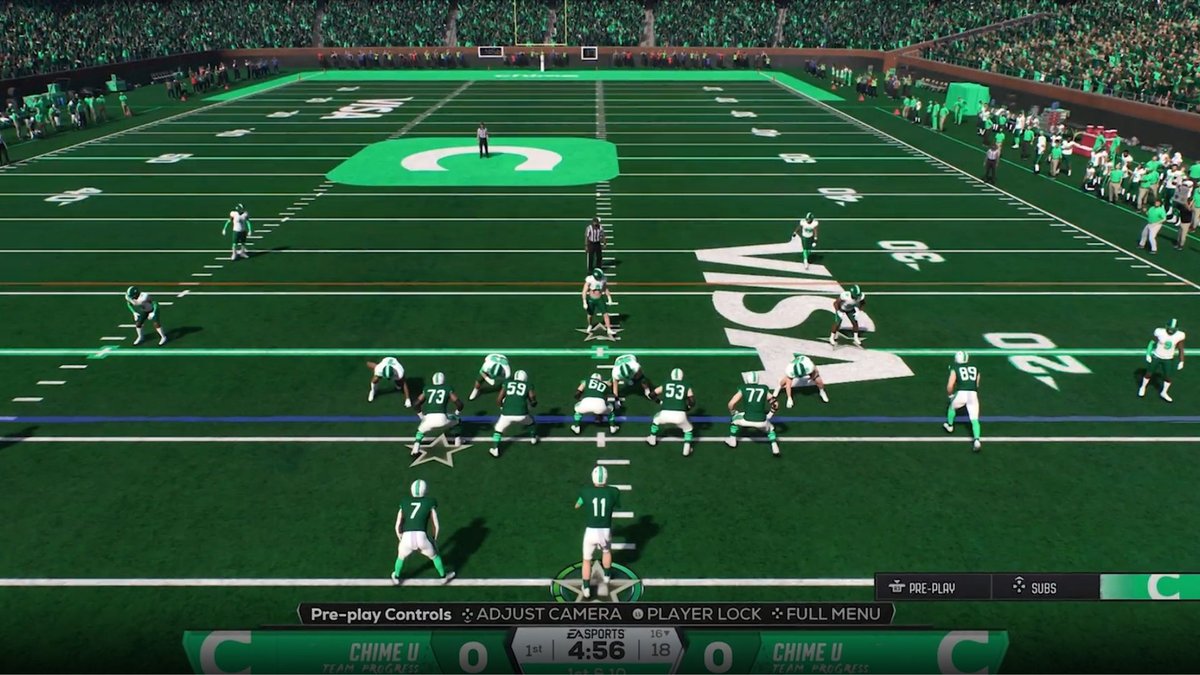
On paper, the obvious homes are EA Sports titles. Madden, EA Sports FC, and College Football already mimic real broadcasts, and real broadcasts are basically sports interrupted by occasional sports. A Visa logo on a kit, a sponsored replay, or a branded sideline banner does not exactly shatter the illusion.
The eyebrow-raising part is that EA also shows games like The Sims and Skate in the mix. That is where the whole thing starts to feel less like a stadium sign and more like a tiny marketing goblin knocking on your save file.
Why EA Advertising makes sense… even if it sounds cursed
From EA’s side, the business logic is not hard to follow. Big games are expensive. Live-service support is expensive. Licensing is expensive. Somewhere, an accountant looked at a spreadsheet, saw a gap, and whispered, “What if a soda company paid for that gap?”
And to be fair, sports audiences already see this constantly. Broadcast graphics get sponsored. Replay wipes get sponsored. Stadium boards get digitally swapped. Even award names can sound like a fridge magnet collection: the Player of the Match, brought to you by a beverage, a bank, and possibly your local tire shop.
So if EA keeps the idea inside that broadcast-style lane, it could be annoying but familiar. A sponsored replay in Madden is not the end of civilization. It is more like civilization wearing a branded bucket hat.

The slippery slope is wearing sponsored sneakers
The danger is not a logo on a virtual football pitch. The danger is what happens when “native placement” becomes “please interact with this brand to continue having fun.” EA’s application language includes In-Game Activations, which sounds harmless until you remember that vague marketing phrases are where gremlins love to rent.
Imagine a Skate event that is technically just a cool branded challenge, until the rewards are locked behind a partner offer. Imagine a Sims furniture set that is basically product placement, except the good couch wants your email address first. None of that has been announced, but the shape of the concern is obvious: ads are one thing; friction disguised as engagement is another.
EA’s current advertising categories include esports sponsorships, mobile video and display ads, and in-game activations. The first two are easy enough to understand. The third is the mystery box, and as every gamer knows, mystery boxes are where the trouble lives. Sometimes it is a legendary item. Sometimes it is a raccoon with a law degree.
Those budget ranges are not couch-cushion money
EA’s advertiser application lists budget bands beginning at $100,000 to $199,000, then moving through $200,000 to $499,000, $500,000 to $999,000, and finally $1 million or more. That is a lot of money to spend on making sure a digital athlete stands near your logo with sufficient enthusiasm.
For brands, the appeal is obvious. Games are sticky, social, and increasingly treated like giant digital hangout spaces. For EA, the appeal is also obvious: new revenue that can be sold without asking players to buy yet another deluxe edition with a name longer than a JRPG spell.
For players, the answer depends on implementation. A background sponsor in a sports broadcast wrapper? Fine, maybe even expected. A pop-up video spot in the middle of a premium game? Absolutely not, please take that idea outside and let it think about what it did.
What players should watch next
The big question is not whether EA can sell ads. It can. The big question is whether EA Advertising stays additive and atmospheric, or whether it starts poking the player in the ribs. The line between “immersive brand placement” and “my cozy life sim now has a sales funnel” is thinner than a launch-day patch note.
If EA keeps the system tasteful, contextual, and optional where interaction is involved, this may become another normal piece of game monetization. If it gets pushy, expect players to react with the calm restraint gamers are famously known for on the internet. Which is to say: duck.
For now, EA Advertising is a warning sign and a business strategy wrapped in the same shiny banner ad. It could help fund massive games. It could also make virtual worlds feel a little more like a mall kiosk. Either way, the next time your Madden replay has a sponsor, remember: the marketing goblin has entered the arena.