
 Sonic Frontiers Definitive Edition
Sonic Frontiers Definitive Edition Review: Switch 2 Speed With a Few Wobbles
Review · Nintendo Switch 2
Sonic Frontiers Definitive Edition sounds like the kind of package that should arrive wearing sunglasses, carrying every DLC pack, and maybe doing a tiny victory lap around your living room. In reality, it is more focused than flashy: a Switch 2 version that makes Sonic’s open-zone adventure run faster, look cleaner in the right places, and finally stop hiding half the playground until you sprint into it.
Playable platforms and system companies
For this review, the specific Sonic Frontiers Definitive Edition release is playable on Nintendo Switch 2, which is a Nintendo system. SEGA lists Nintendo Switch 2 as the supported platform for this edition.
- Nintendo Switch 2 — parent company: Nintendo; version reviewed here.
- Nintendo Switch — parent company: Nintendo; original Sonic Frontiers release, with save-transfer context but no upgrade path to the Switch 2 version.
- PlayStation 5 and PlayStation 4 — parent company: Sony; original Sonic Frontiers release.
- Xbox Series X|S and Xbox One — parent company: Microsoft; original Sonic Frontiers release.
- PC/Windows — parent company/platform owner: Microsoft; original Sonic Frontiers release.
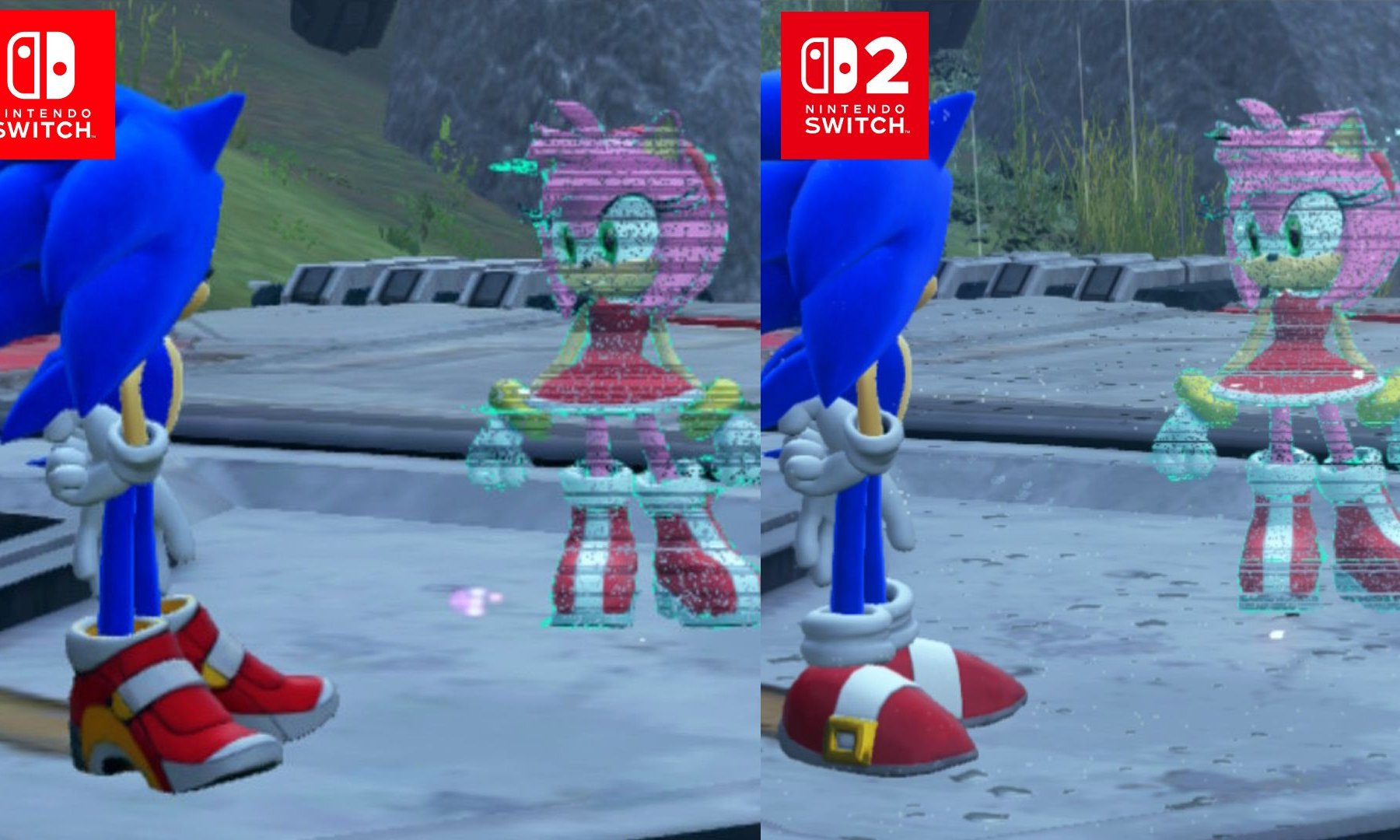
That is not nothing. The original Nintendo Switch version was playable, but “playable” is the gaming equivalent of being told your chili is “technically warm.” Sonic Frontiers had ambition, boss fights the size of apartment blocks, and a surprisingly earnest story, yet the old hardware often made Starfall Islands feel like they were assembling themselves one startled shrub at a time.
This Definitive Edition bundles the previous DLC, including the extra characters and alternate finale from The Final Horizon, plus the Sonic’s Birthday Bash content with its music, challenges, and blue-blur party favors. If you missed all of that, this is a tidier way to get the lot. If you already own Sonic Frontiers elsewhere, the question is whether smoother speed and better draw distance are enough to make your wallet do a Spin Dash.
Sonic Frontiers finally gets to breathe on Switch 2
The headline upgrade is the choice between Performance Priority Mode and Graphics Priority Mode. That sounds very serious, like Sonic has started attending meetings with pie charts, but the difference is easy to explain: Performance is the one that makes the game feel like Sonic. Graphics is the one that politely asks you to accept 30 frames per second for visual gains you may need a magnifying glass and a very patient hedgehog to appreciate.
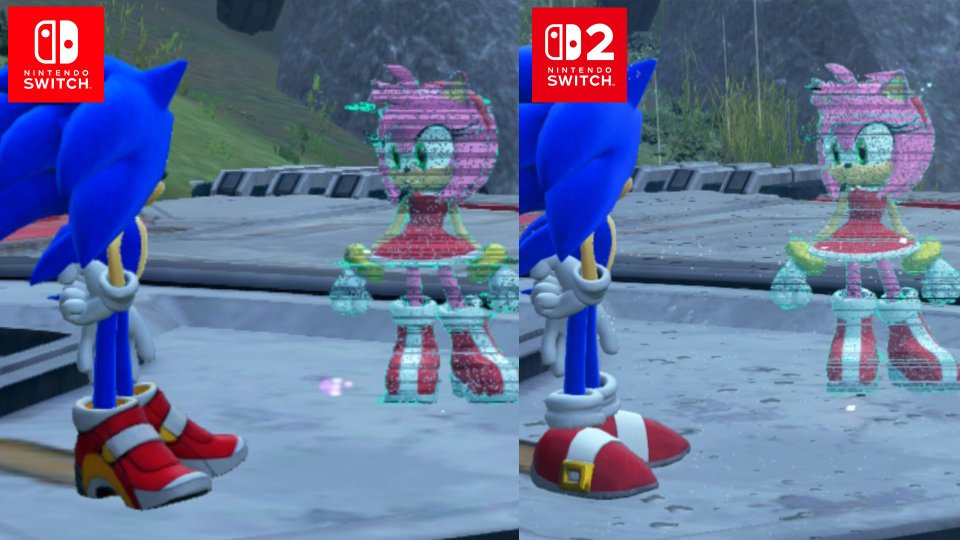
Performance Priority Mode is the clear winner. It aims for 60fps and, most of the time, gets there with confidence. Running across the Starfall Islands feels much sharper, combat has a better snap, and general traversal stops feeling like the console is jogging behind Sonic with a clipboard. Graphics Priority Mode is less convincing when docked: cutscenes can look a touch cleaner, but the broader resolution still feels tied to the original Switch version.
The real win is less pop-in
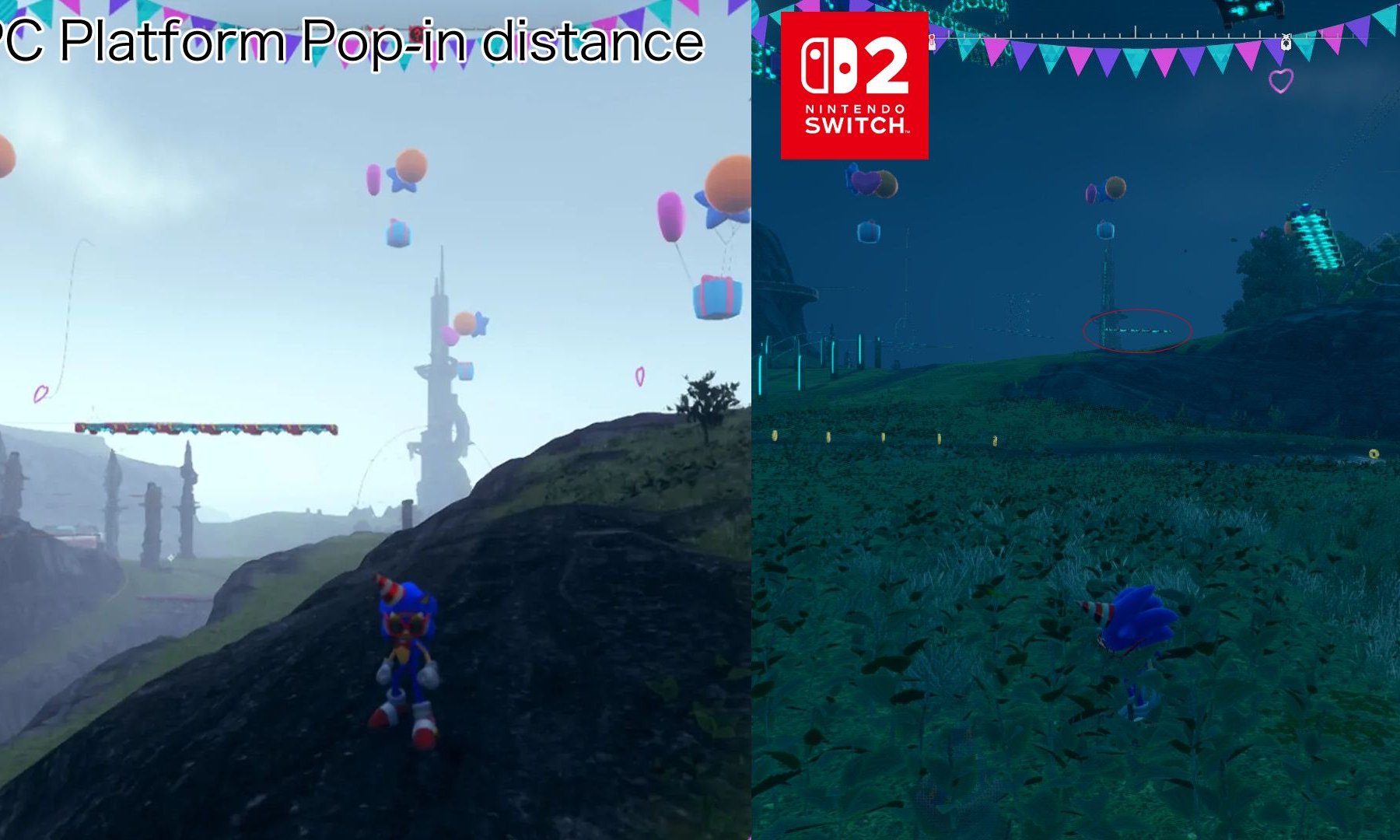
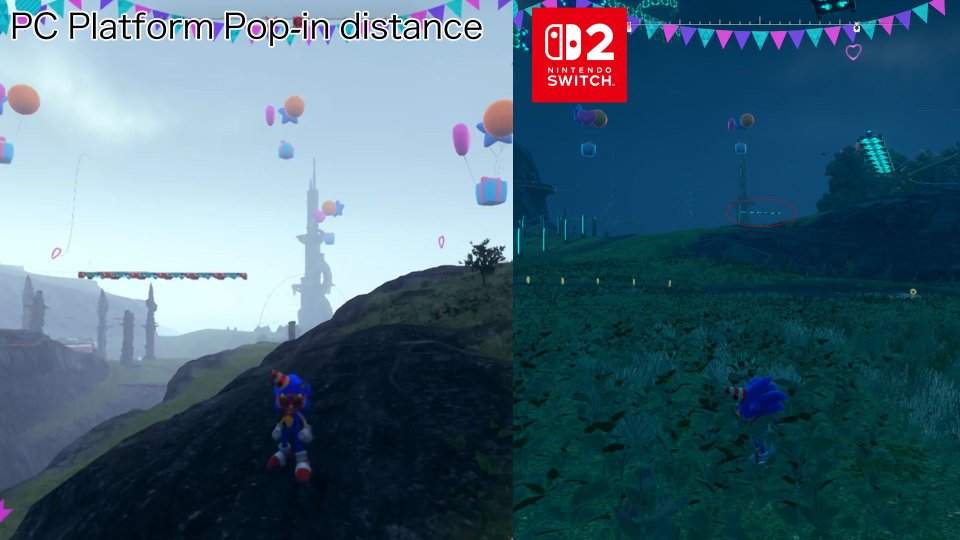
The biggest improvement is not a texture, a shadow, or a particularly handsome rock. It is draw distance. Sonic Frontiers Definitive Edition dramatically reduces the pop-in that made the Switch release feel like the world was being delivered by a nervous stagehand. Rails, platforms, enemies, and important traversal pieces now appear from much farther away, which changes exploration more than any spec sheet bullet point could.
That matters because Frontiers is built around spotting weird floating architecture, deciding “sure, why not,” and launching Sonic into a physics-flavored obstacle course. When the game actually shows you those routes in advance, the islands feel more coherent and less like a magical assault course with commitment issues.

Small objects can still materialize at a distance, so do not expect every ring, plant, and bit of island furniture to file its paperwork early. But the important stuff is much better behaved. For a game about going fast, that is a pretty big deal. Shocking, I know: seeing the road ahead helps when you are blue and legally required to zoom.
Boss fights and Cyberspace still bring the spark
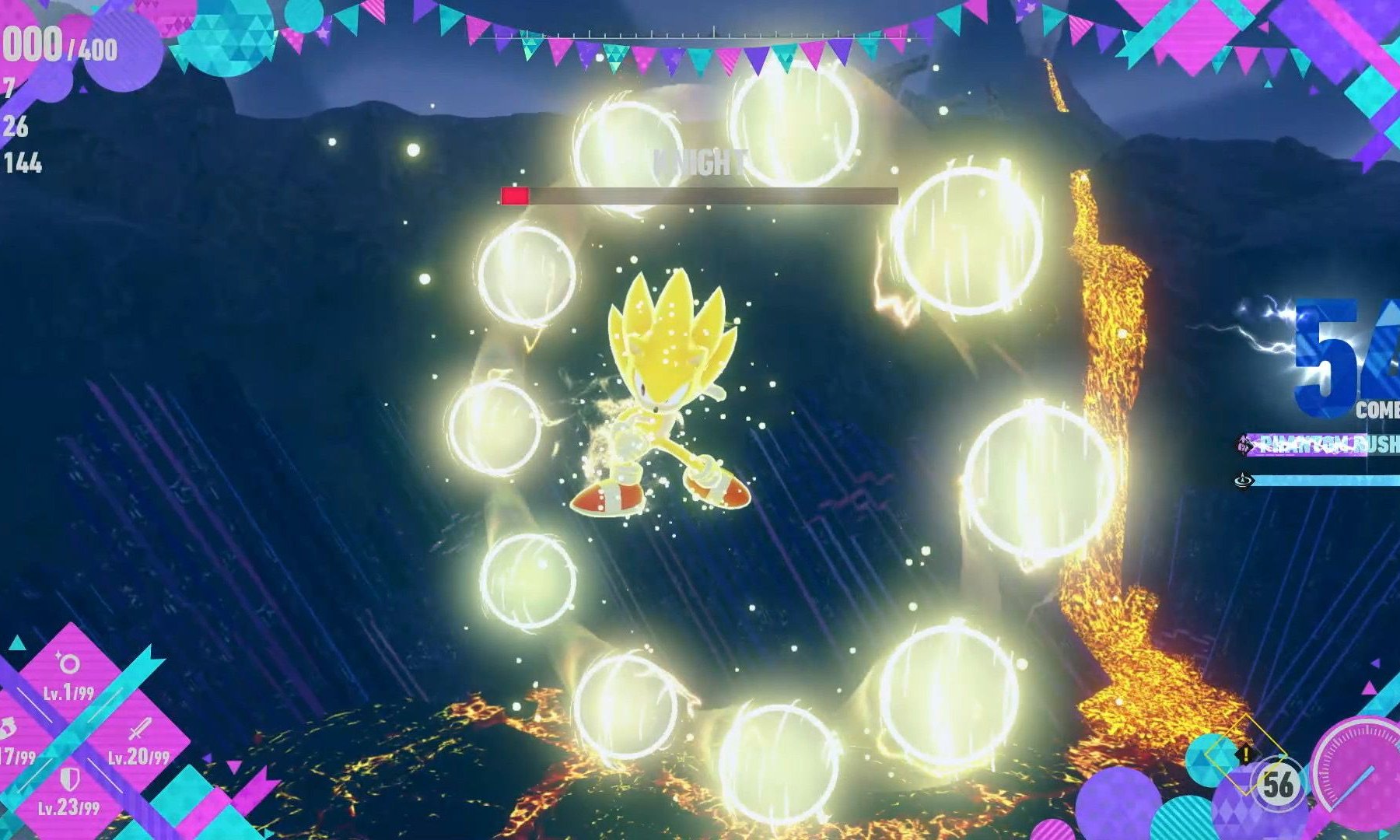
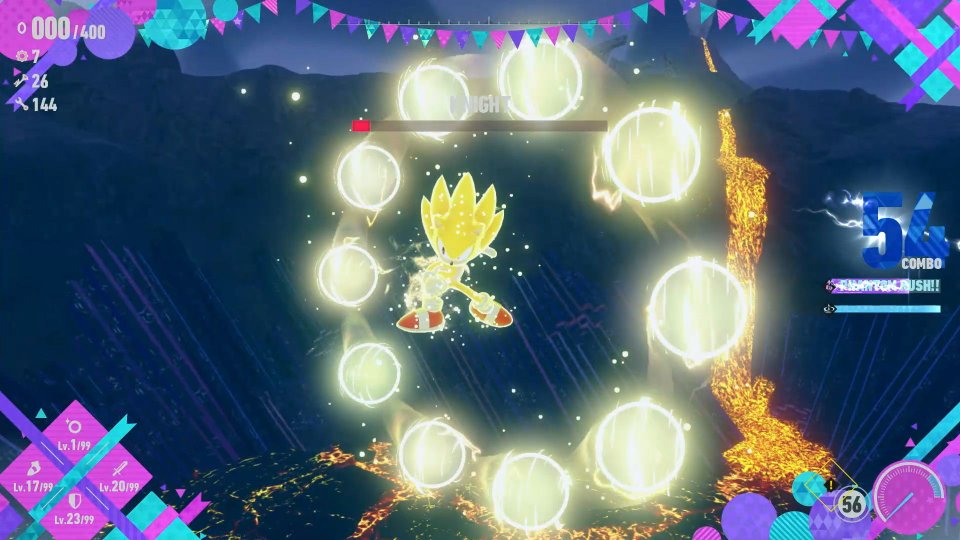
The titan battles remain the grand, ridiculous, very Sonic moments they should be. They look solid on Switch 2, partly because the arenas are more contained than the open islands and partly because Super Sonic punching a skyscraper-sized enemy in the face is naturally good cinema. Science may one day explain it. Until then, we clap.
Cyberspace stages also benefit from the cleaner presentation. Their shorter, more stylized layouts hold together nicely, and the visual effects read well on Switch 2. If you bounced off these levels before because you were mainly chasing open-zone freedom, this version may not convert you completely, but it does make them easier to appreciate as quick arcade bursts between island exploration.
The Definitive Edition label is doing some cardio
Here is where the gold ring loses a bit of shine. Sonic Frontiers Definitive Edition is improved, but “definitive” is a bold word for a release with no meaningful new content. There are also fresh quirks: some cutscenes can look stiff, Tails’ tails can behave oddly, texture compression is still obvious in places, and compared with PC or PlayStation versions, the Switch 2 release remains visually behind.
The physical situation is not exactly a collector’s dream either. If you were hoping for a perfect cartridge-style archive of Sonic Frontiers and its DLC, the game key card approach is a bit like ordering a chili dog and receiving a laminated photo of one. Useful? Sort of. Spiritually satisfying? Not really.
Verdict: fast, fun, and still a little fuzzy
Sonic Frontiers Definitive Edition is the best way to play Sonic Frontiers on Nintendo hardware. Performance Priority Mode gives the game the speed it always needed on Switch, and the reduced pop-in makes exploration feel dramatically better. If you have never bought Frontiers before and want it on Switch 2, this is the version to grab.
If you already own Sonic Frontiers, the value is more complicated. The improvements are real, but they are not joined by new areas, new story content, or a visual overhaul big enough to make previous versions blush. This is a sharper, smoother, slightly glitchier Sonic Frontiers, not a brand-new lap around Starfall Islands.
Koigen score: 7.5/10
Good: excellent 60fps feel in Performance Mode, much better pop-in, all prior DLC included, boss fights still slap.
Not so good: limited new value, resolution remains underwhelming, occasional cutscene bugs, and the “definitive” badge is wearing platform shoes.