

The Adventures of Elliot Review: A Joyful HD-2D Triumph
Effortlessly and extraordinarily delightful.
The Adventures of Elliot: The Millennium Tales is Square Enix's first foray into the Action RPG genre using the HD-2D engine. While I had no doubt it would be a gorgeous game, I wondered how its mechanics would play out, whether they would integrate well with the engine, and whether the team could create a satisfying gameplay loop. I can say without a shadow of a doubt that both Square Enix and Claytechworks nailed it, delivering a mechanically delicious RPG and an effortlessly fun adventure that will hopefully open new doors for the HD-2D engine in future titles.
First, let's address the elephant in the room: yes, The Adventures of Elliot is quite Zelda-esque, even though the producer stated that the primary inspiration was actually Square's own Mana series, and that is about all I will say regarding Link's adventures. I won't keep drawing comparisons to describe Elliot as Square Enix's version of Zelda, because that won't mean a thing to those who haven't played those games. I will judge this title purely on what it aims to do and how it delivers on that promise.
I have a few caveats with The Adventures of Elliot's story, especially when it involves time travel, but nothing that takes away from the impressive sense of adventure as we venture forth alongside Elliot and his chatty but loving fairy companion, Faie. Once I understood that the game treats time travel more as a tool for world-building than as a strict rulebook with consequences and paradoxes, I began to appreciate the narrative much more and ultimately had a wonderful experience.
Adventuring Through Time
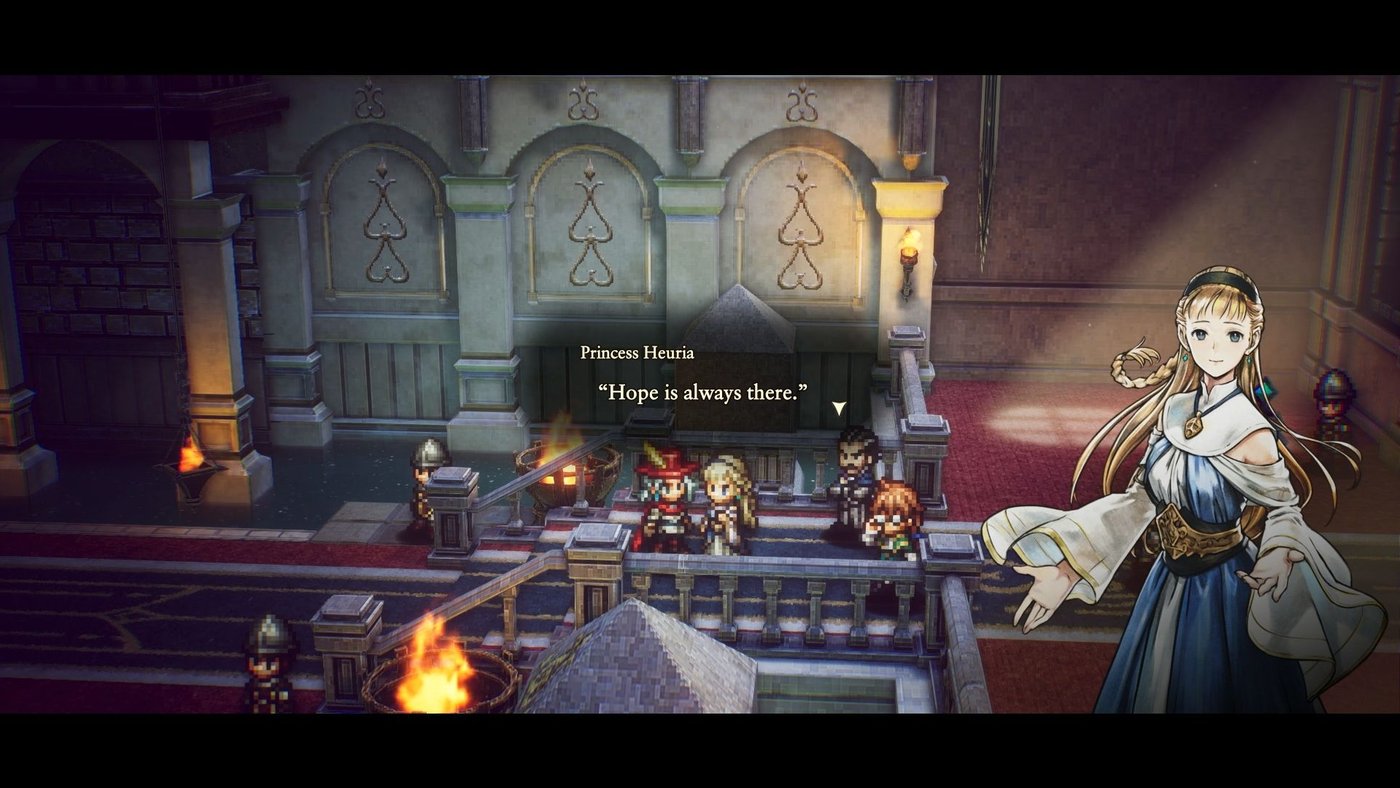
The world of Philabieldia is constantly under threat from the beastmen, and the only shield protecting the Kingdom of Huther from their advance is a barrier of Safekeeping maintained by Princess Heuria. However, she must remain confined within the castle walls to uphold the spell and prevent the beastmen from invading the realm. In the meantime, a new set of ruins is discovered, and the king enlists the adventurer Elliot to scour them. Upon exploring the depths, Elliot uncovers secrets that lead to a Doorway of Time, a gateway allowing anyone who passes through to travel to the past.
This serves as the main driving force behind the narrative, kicking off subplot after subplot. Whenever an emergency arises, Elliot must journey into the past to find a solution. He succeeds and resolves the issue, only for a new complication to surface, forcing him to go even further down the timeline in search of another answer. This cycle repeats until players eventually witness all four distinct eras that The Adventures of Elliot: The Millennium Tales has to offer. If it sounds simple, that is because it initially is.
I can say without a shadow of a doubt that both Square Enix and Claytechworks nailed it, delivering a mechanically delicious RPG and an effortlessly fun adventure that will hopefully open new doors for the HD-2D engine in future titles.
Elliot is a bona fide do-gooder hero who loves helping absolutely everyone without ever questioning why. Don't expect any deep flaws from this protagonist; his role is to keep the pace light, heroic, and approachable while the timeline steadily expands around him. Faie, meanwhile, brings the constant chatter, charm, and small emotional beats that help the adventure feel companionable even when the story is moving quickly from crisis to crisis.
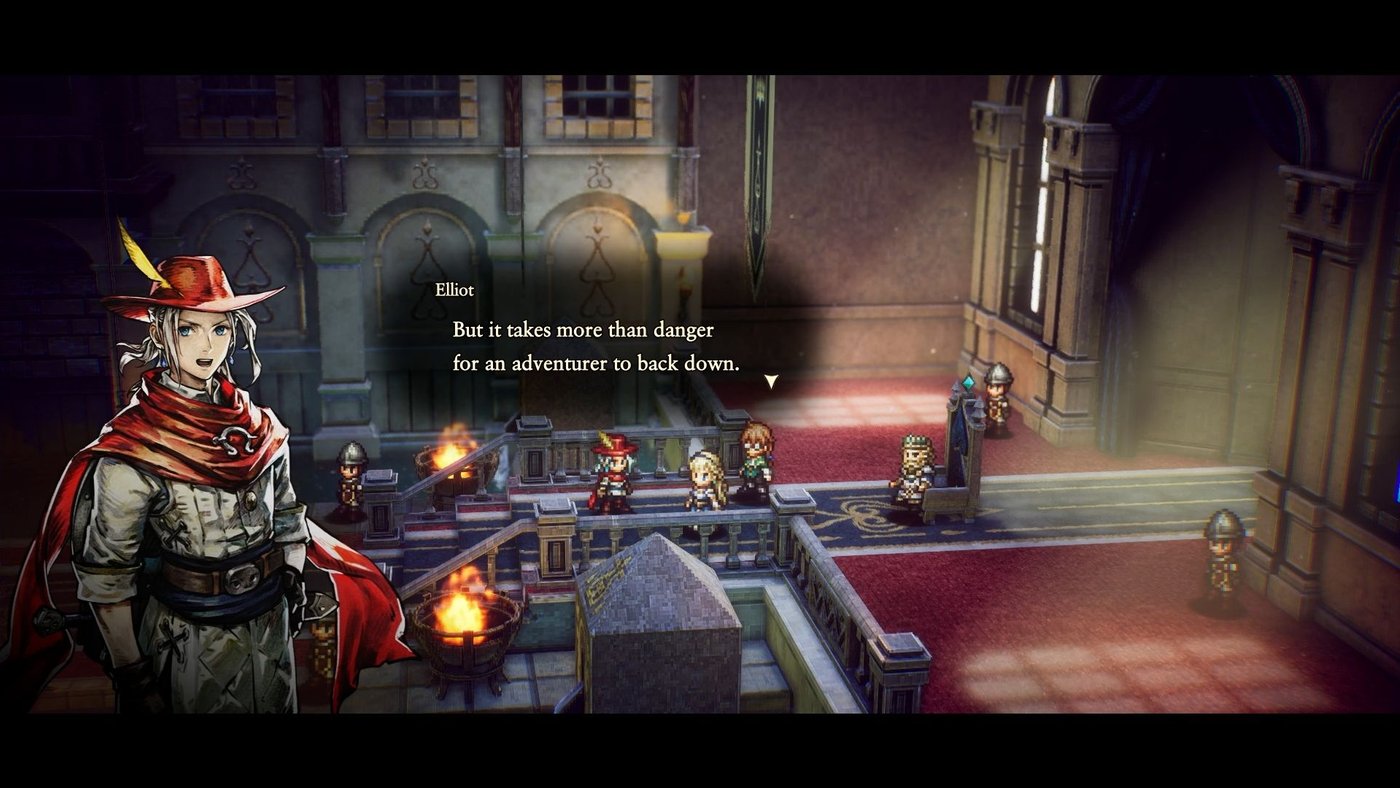
The story is strongest when it treats time travel as a way to broaden the world rather than as a puzzle box demanding airtight rules. Each new era adds context to Philabieldia, reframes people and places already encountered, and gives the player another reason to push deeper into the mystery. The result is not an especially dark or thorny narrative, but it is adventurous, warm, and consistently pleasant to follow.
Mechanically Sublime
At a certain point, I realized I had spent only a fraction of my time thinking about comparisons and almost all of it simply enjoying how responsive the game feels. Combat is quick, readable, and flexible, with Elliot able to swap between weapon styles and abilities that let players tailor their rhythm without turning the action into a wall of systems.
The biggest compliment I can give The Adventures of Elliot is that it rarely wastes your time. Attacks connect cleanly, enemy patterns are understandable without being toothless, and upgrades arrive often enough to keep exploration and battle feeding into one another. Boss fights work because they are built around movement, timing, and awareness rather than gimmicks that fight the camera or the HD-2D presentation.
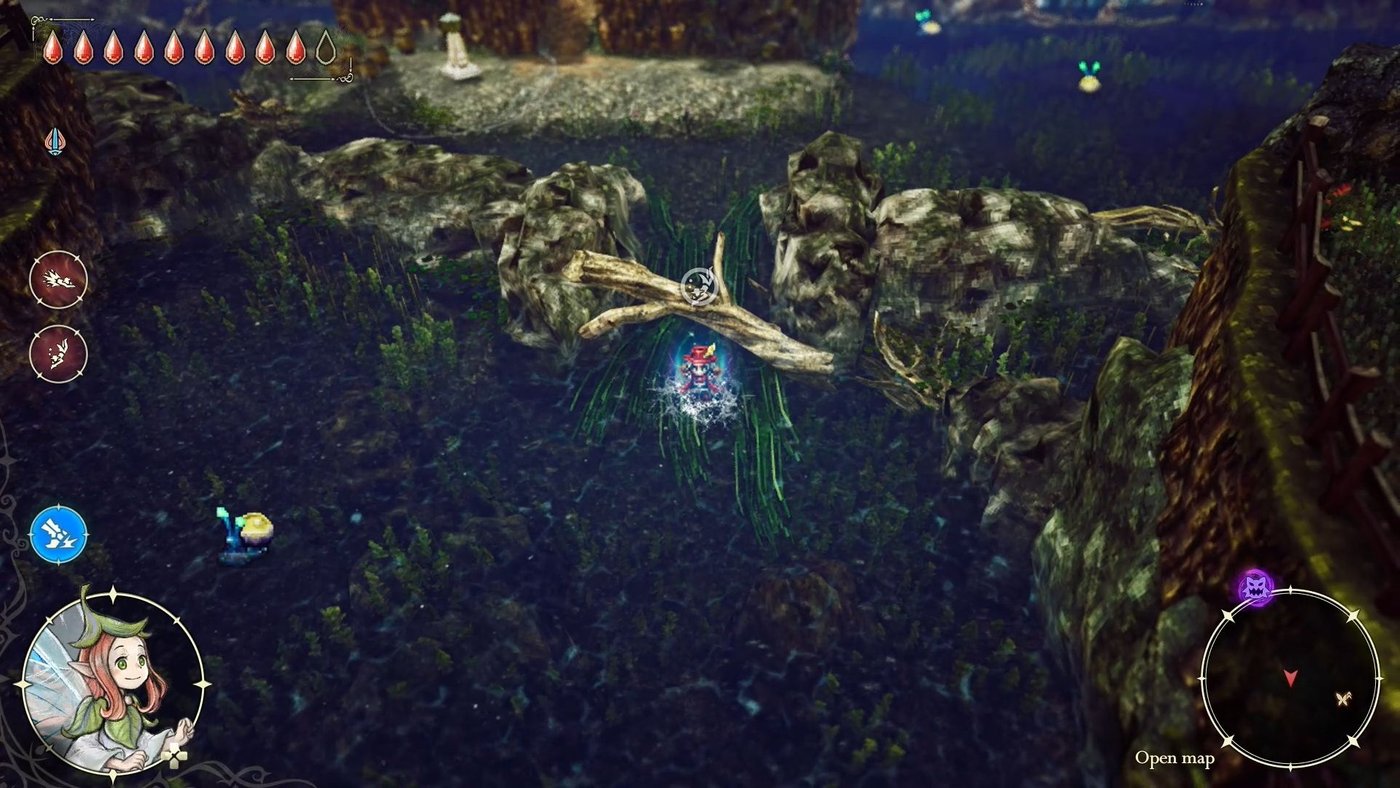
It also helps that the game places very few restrictions on the player. Progression through Magicites and equipment gives just enough tinkering for RPG fans without slowing the tempo. I kept finding new reasons to adjust my setup, experiment with skills, and revisit routes that seemed straightforward the first time through.
Explore, Adventurer
The Adventures of Elliot understands the pleasure of poking around. The world is dense with side paths, collectibles, hidden rewards, and optional objectives that make the map feel deliberately handcrafted rather than bloated. Because movement is snappy and areas are compactly layered, exploration remains inviting even during longer completionist sessions.
Faie’s presence also helps keep the pace lively. She comments often, nudges the player forward, and gives the journey a buddy-adventure energy that suits the breezy tone. The result is a loop where combat, traversal, secrets, and small story moments all reinforce one another.
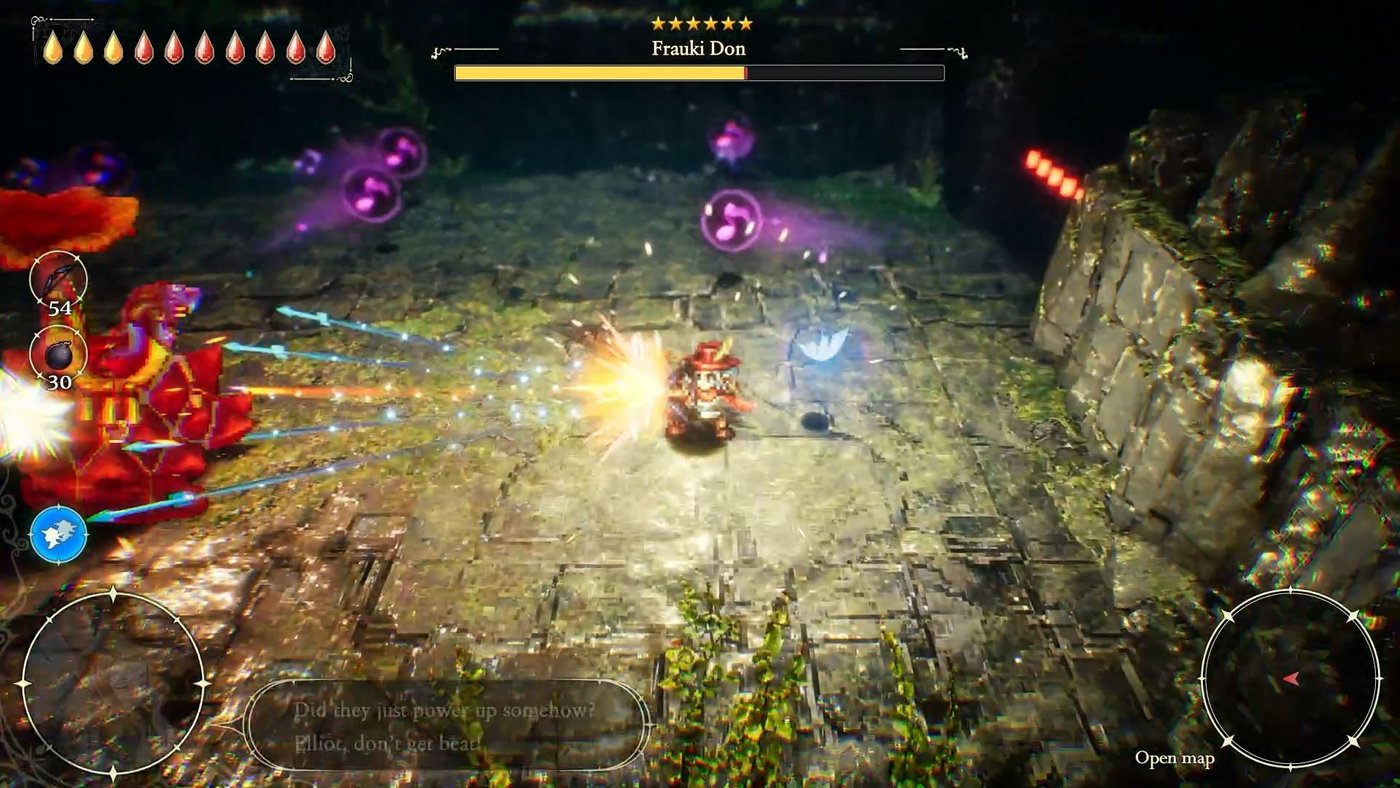
The game’s optional content was enjoyable enough that I saw it through to the end, and that is not something I say lightly. Sidequests rarely feel like empty errands, collectibles are placed with intent, and the world repeatedly rewards curiosity. Even when a task is simple, the surrounding presentation makes it satisfying.
HD-2D Works With Everything
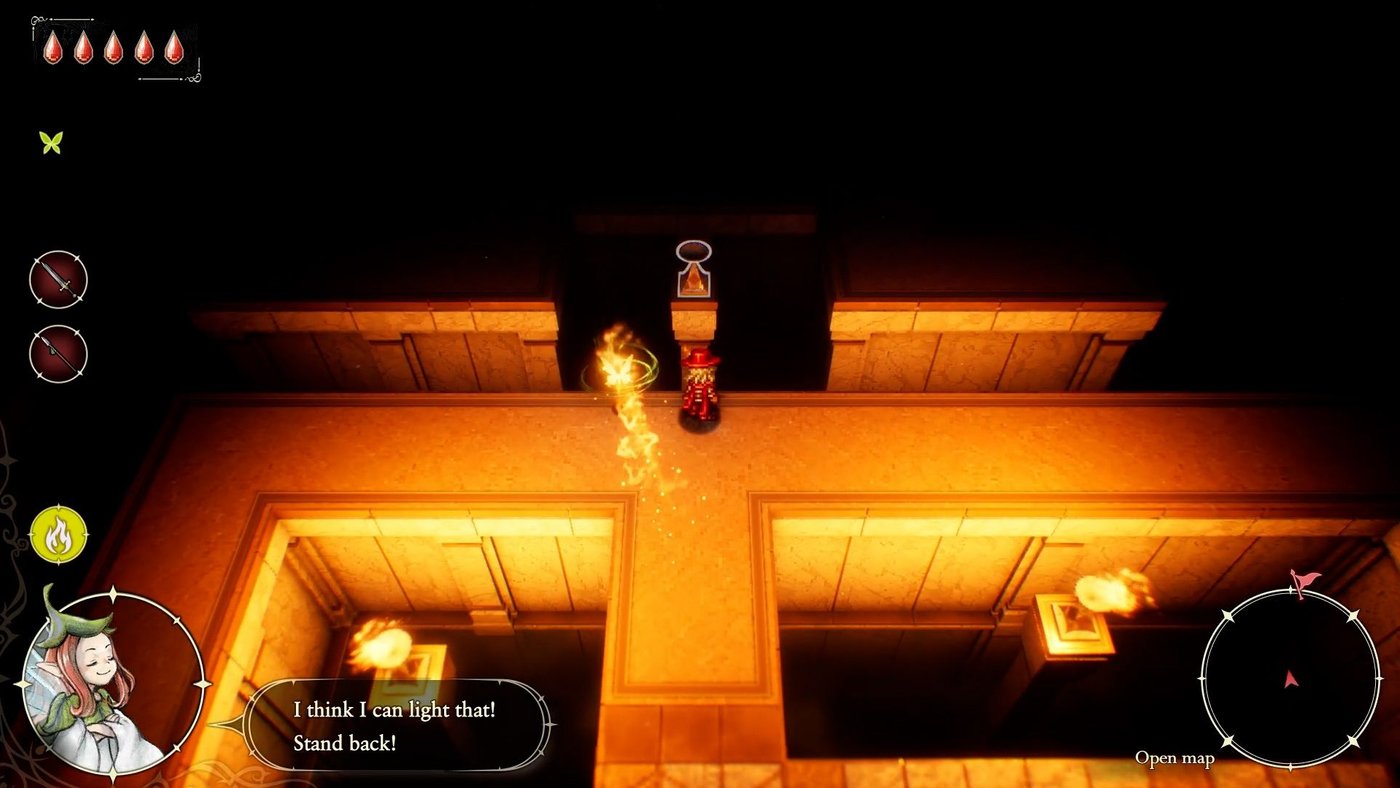
Square Enix’s HD-2D style has already proved itself across turn-based RPGs, but The Adventures of Elliot shows how naturally it can support action as well. The game uses depth, lighting, sprites, and environmental detail to create a nostalgic look that still feels modern and legible during movement-heavy encounters.
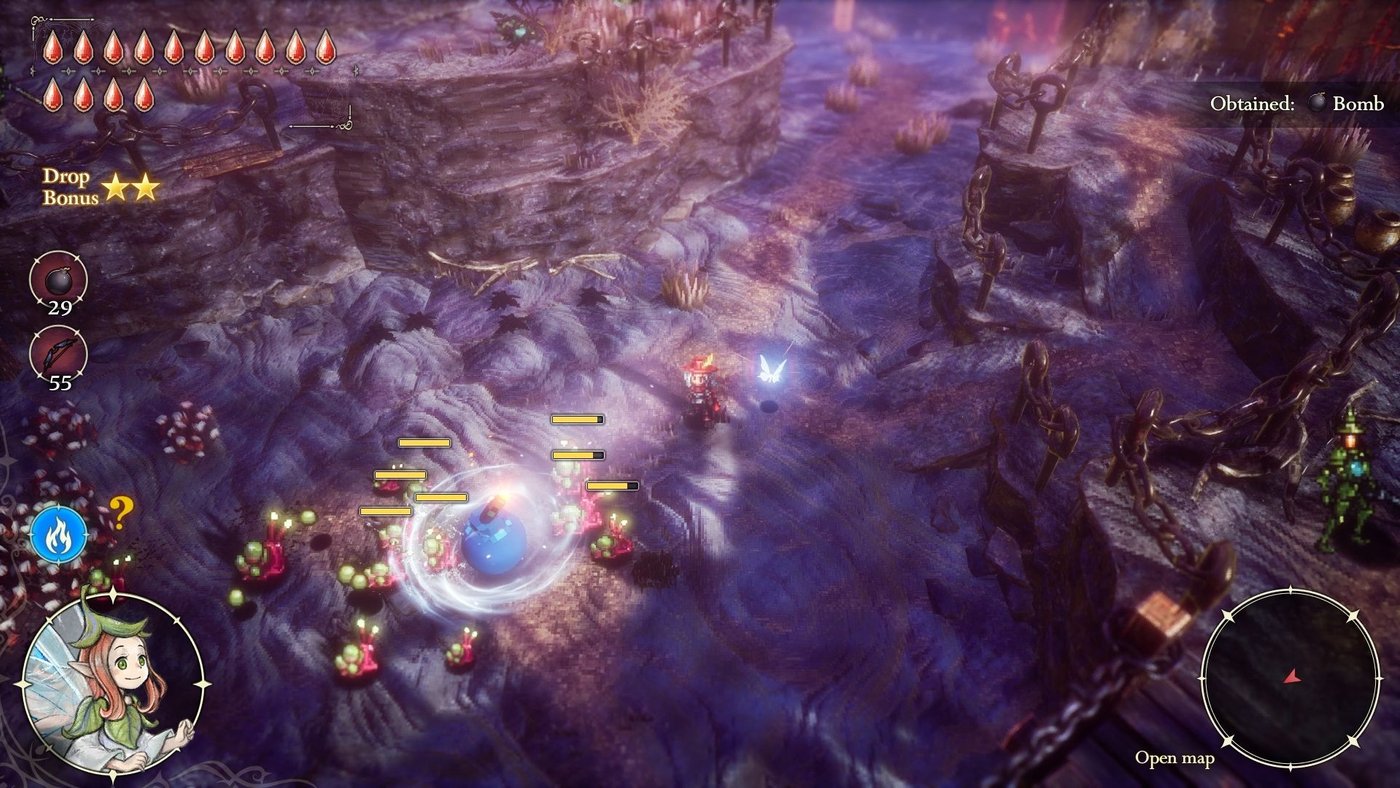
The art direction matters because it serves the gameplay instead of overwhelming it. Important objects stand out, combat arenas read clearly, and the lighting gives each era its own personality. It is easy to admire the scenery without losing track of the immediate action.
Closing Comments
Square Enix's first foray into the action RPG scene with the HD-2D engine is a majestic success. The Adventures of Elliot: The Millennium Tales is effortlessly delightful, consistently charming, and mechanically satisfying in a way that makes its 36-hour completionist run feel breezy rather than exhausting.
Its story may be light, and its approach to time travel works better as world-building than as a strict sci-fi rulebook, but the sense of adventure carries it. Between its approachable hero, lovable fairy companion, rewarding exploration, clean combat, and gorgeous presentation, this is the kind of RPG that makes a strong case for seeing HD-2D in even more genres.
The Adventures of Elliot: The Millennium Tales
- Developer
- Claytechworks
- Publisher
- Square Enix
- Genre
- Action RPG
- Reviewed on
- PlayStation 5
Verdict: An approachable, beautiful, and mechanically delicious HD-2D action RPG adventure.
Original review text and imagery sourced from DualShockers.